 KemetLeads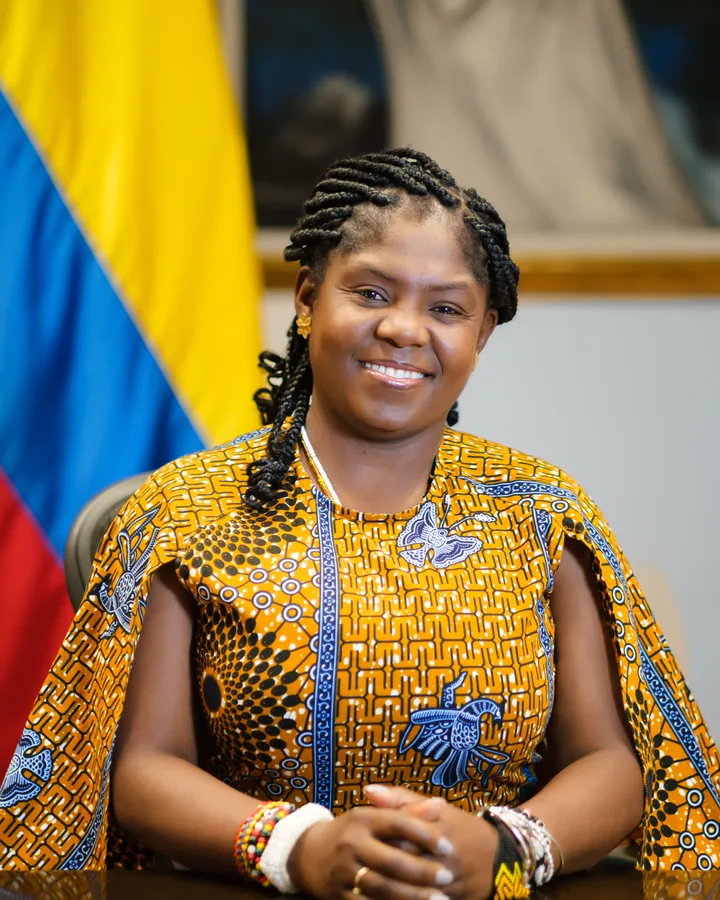
Francia Márquez
An artisanal gold miner from Cauca who walked eighty women to Bogotá, and ended up second in the republic.
The rise
Born on 1 December 1981 in Yolombó, in the municipality of Suárez, Cauca, she began organising at thirteen against a project to divert the Ovejas river. She mined gold by hand in her community's streams, worked as a live-in domestic worker in Cali, raised two sons alone and read law at the Universidad Santiago de Cali.
What they did
In November 2014 she led the Marcha de los Turbantes: women of La Toma walked some 600 kilometres to Bogotá and held the interior ministry until the government sent forces to clear illegal dredges from their territory. The Goldman Prize followed in 2018. Sworn in on 7 August 2022, she was the first Afro-Colombian vice-president, and from January 2023 the first minister of equality.
The full picture
She survived a grenade and rifle attack in Cauca in 2019 and has lived under guard since. The Constitutional Court voided the law creating her equality ministry in 2024; she resigned it in February 2025 after open breaks with Petro, and a decree liquidated it on 19 June 2026. Her use of official aircraft drew criticism.
Why it matters
She is the highest-placed Afro-descendant woman in the political history of Spanish-speaking Latin America, and she got there from a mining village in Cauca rather than from a party machine.
“After 214 years we have a government of the people, the government of the nobodies of Colombia.”