 KemetLeads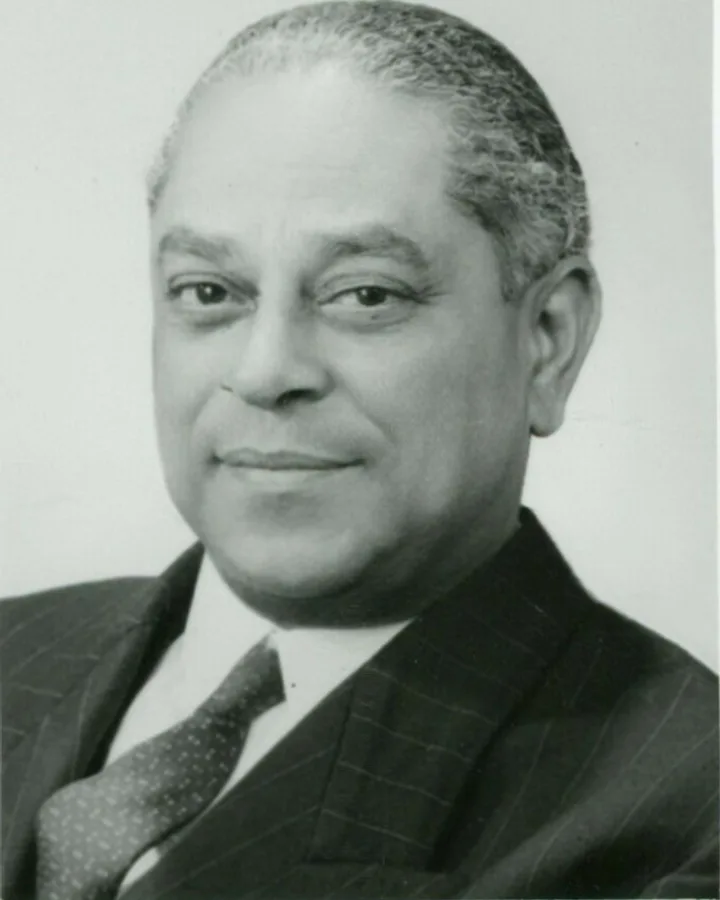
Gaston Monnerville
For twenty-one years the second figure of the French state was a Black man from Cayenne.
The rise
Born in Cayenne on 2 January 1897, a grandson of enslaved people, he read law at Toulouse, was called to the bar at twenty-one and made his name at the 1931 Nantes trial defending Guianese supporters of Jean Galmot. Deputy for French Guiana from 1932, he was under-secretary of state for the colonies in 1937–38.
What they did
He protested the 1940 armistice, joined the Resistance network Combat, defended Vichy's political and racial prisoners at the Marseille bar and fought in the Auvergne maquis as Commandant Saint-Just. He presided over the Council of the Republic from 1947 and the Senate from 1959 — the state's second-ranking office — for twenty-one years, then sat on the Constitutional Council.
The full picture
He argued for republican assimilation and backed the 1946 law making the old colonies French departments, which Caribbean and Guianese autonomists read as colonialism renamed. Guianese voters dropped him in November 1946, partly over his drive to close the Devil's Island penal colony; he entered the upper house by appointment.
Why it matters
No person of African descent has held a higher office in the French Republic, and he used it to tell a victorious de Gaulle, in the chamber, that he was taking a right he did not have.
“No, Mr President of the Republic, you do not have the right. You are taking it.”