 KemetLeads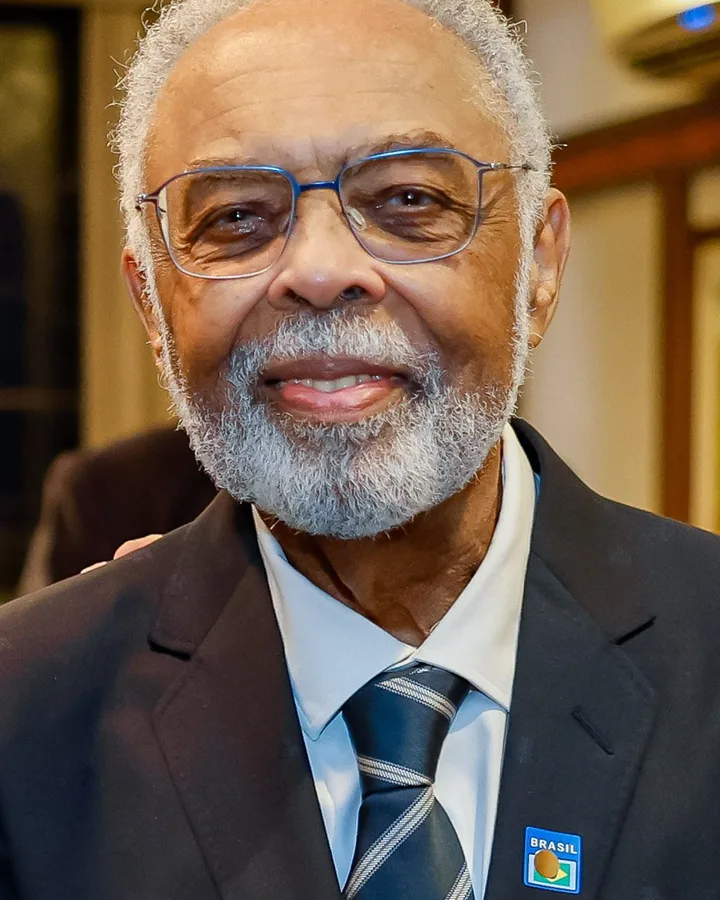
Gilberto Gil
The dictatorship jailed him and put him on a plane to London; he came home to run the country's culture.
The rise
Born on 26 June 1942 in Salvador, Bahia, raised partly in the sertão town of Ituaçu, he played accordion until João Gilberto's records turned him to the guitar, and took a business degree in Salvador. With Caetano Veloso he launched Tropicália in 1967, splicing bossa nova, electric rock and Afro-Bahian rhythm.
What they did
Tropicália turned the censors into an audience; on 27 December 1968, weeks after Institutional Act No. 5, Gil was arrested, held three months, kept four more under house arrest and released on condition he leave. He wrote in London until 1972. As Lula's culture minister from January 2003 to July 2008 he built the Pontos de Cultura network and put ministry work under Creative Commons.
The full picture
Officials inside the ministry complained of long absences while he toured, and of a budget that never grew to match the programmes; his elected experience before 2003 was one partly served term as a Salvador city councillor for the Greens in 1988. The Rouanet tax incentives he inherited kept most money in the Rio-São Paulo axis.
Why it matters
He is the rare artist who converted cultural standing into working state policy: Pontos de Cultura has been copied across Latin America, and Brazil was the first country to place ministry work under free licences.
“It is not for the State to make culture, but to create the conditions of universal access to symbolic goods.”