 KemetLeads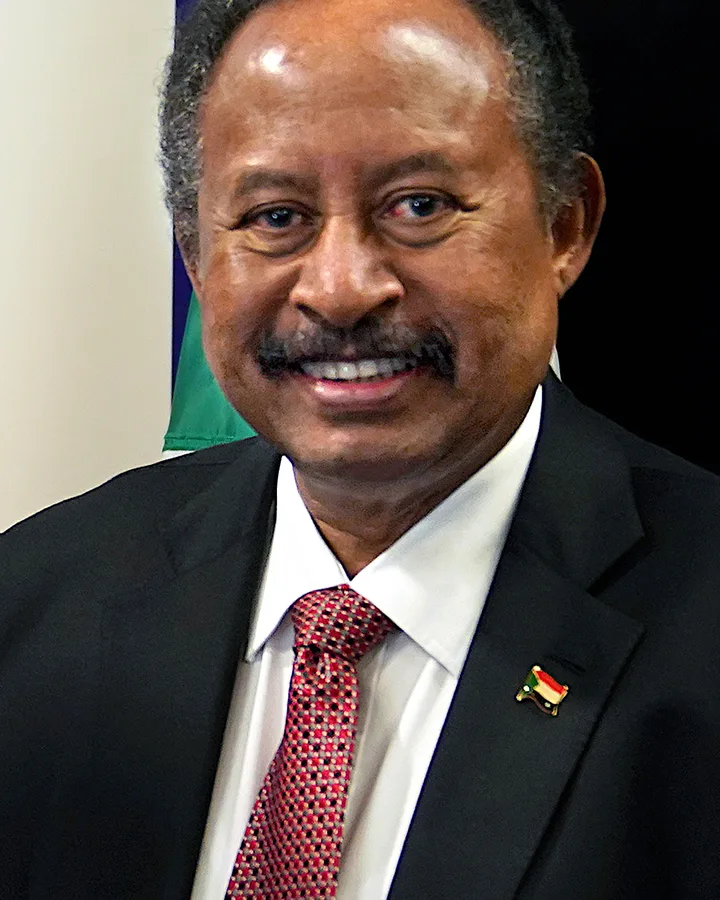
Abdalla Hamdok
The economist the revolution chose, deposed by the generals, restored by them, and gone within six weeks.
The rise
Born on 1 January 1956 in Al-Dibaibat, South Kordofan, he studied at Khartoum and took a doctorate at Manchester. He worked at Deloitte, the ILO in Harare, the African Development Bank in Abidjan and International IDEA, and from 2011 to 2018 was deputy executive secretary of the UN Economic Commission for Africa.
What they did
Made prime minister on 21 August 2019 after the revolution that ended Omar al-Bashir's thirty years, he had Sudan struck off the US state-sponsors-of-terrorism list and reached HIPC decision point in June 2021, clearing arrears for the first time in decades. Burhan deposed him on 25 October 2021; he signed a 14-point deal to return on 21 November and resigned on 2 January 2022.
The full picture
That deal gave the coup a civilian face just as the street's refusal was its only leverage, and dozens of protesters died in his reinstated weeks. Since the 2023 war he has led the civilian blocs Taqaddum and, from February 2025, Somoud from exile; Port Sudan froze his accounts and has tried him in absentia since January 2026.
Why it matters
He took the generals' deal to stop the killing, heard the street call it betrayal, and concluded within six weeks that he had no civilian mandate left — a leader giving power up rather than decorating it.
“I decided to give back the responsibility and announce my resignation as prime minister, and give a chance to another man or woman of this noble country.”