 KemetLeads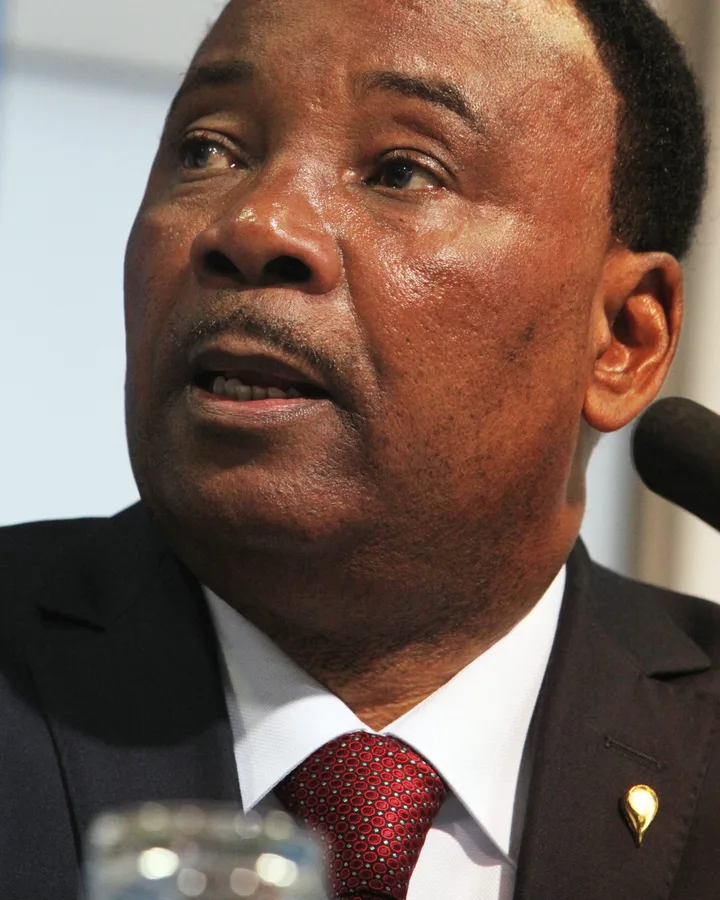
Mahamadou Issoufou
He did the one thing African constitutionalism asks of a president — he left — and the republic fell anyway.
The rise
Born on 1 January 1952 in Dandaji, Tahoua, he trained as a mining engineer at Saint-Étienne, ran Niger's mines directorate and was secretary-general of the uranium company SOMAIR at Arlit. He founded the PNDS in 1990, served a year as prime minister in 1993, then lost presidential election after election for two decades.
What they did
Elected in 2011 after Tandja's fall and re-elected in 2016, he built roads, dams and irrigation while the army fought Boko Haram and the Sahel insurgencies. In March 2021 the Mo Ibrahim Foundation gave him its leadership prize for honouring the two-term limit; on 2 April he handed the sash to Mohamed Bazoum, the first transfer between two elected presidents in Niger's history.
The full picture
His decade jailed and prosecuted journalists and civil-society critics, an audit found some 76 billion CFA francs irregularly spent on defence procurement, and French and American bases made Niger a foreign military platform. In July 2023 the presidential guard seized Bazoum; the junta then jailed Issoufou's own son Sani.
Why it matters
He performed the single act African constitutionalism most needs, and it was still not enough, because the institution he handed over was hollow. That is a more useful lesson than any success story.
“This instability reminds me of the myth of Sisyphus.”