 KemetLeads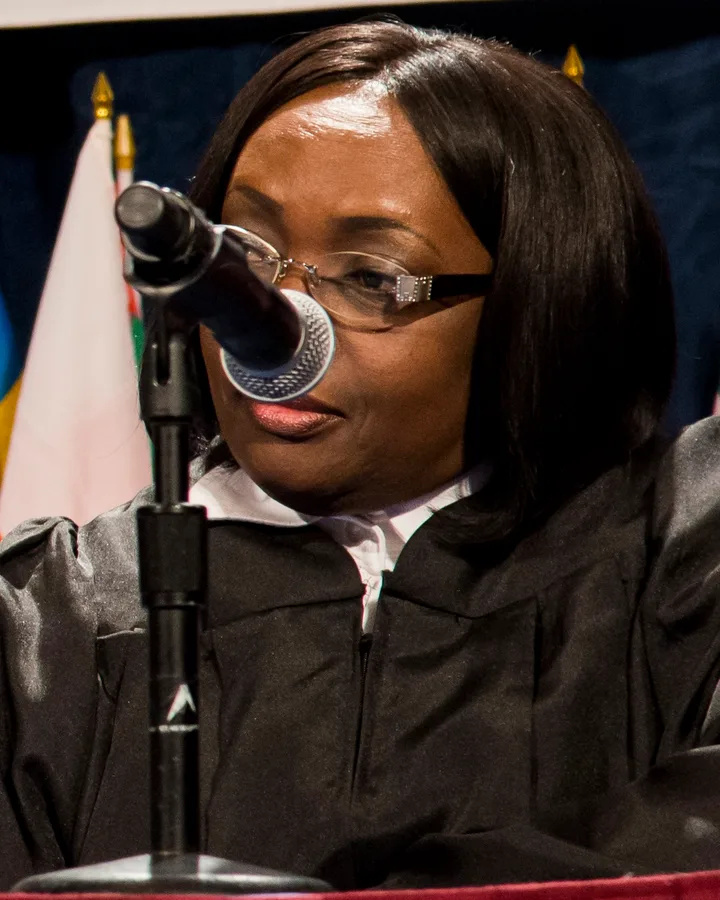
Julia Sebutinde
She made her name naming corrupt Ugandan officers — then cast the lone vote against every measure on Gaza.
The rise
Born on 28 February 1954 in Kampala, she read law at Makerere (1977) and Edinburgh (1991), worked as a state attorney and draftsman, and joined Uganda's High Court in 1996. She then chaired three inquiries — police corruption (1999–2000), army mismanagement (2001), the revenue authority (2002) — that named serving officers.
What they did
Appointed to the Special Court for Sierra Leone in 2005, she sat on the chamber that tried and in 2012 convicted Charles Taylor, twice as presiding judge. Elected to the International Court of Justice in 2011 and seated in 2012, she was the first African woman on the Court; re-elected in 2020, she became vice-president on 6 February 2024 and acting president from January to March 2025.
The full picture
In 2024 she alone opposed every provisional measure in South Africa v. Israel, calling it 'essentially and historically a political one'; Uganda disowned her vote. In August 2025 the Daily Monitor quoted her telling a church 'the Lord is counting on me to stand on the side of Israel'; she called the remarks social, not legal.
Why it matters
The first African woman on the world court, with a reputation made at home by inquiries that named serving officers — and a readiness to stand alone that admirers and critics read in opposite ways.
“In my respectful dissenting opinion the dispute between the State of Israel and the people of Palestine is essentially and historically a political one.”