 KemetLeads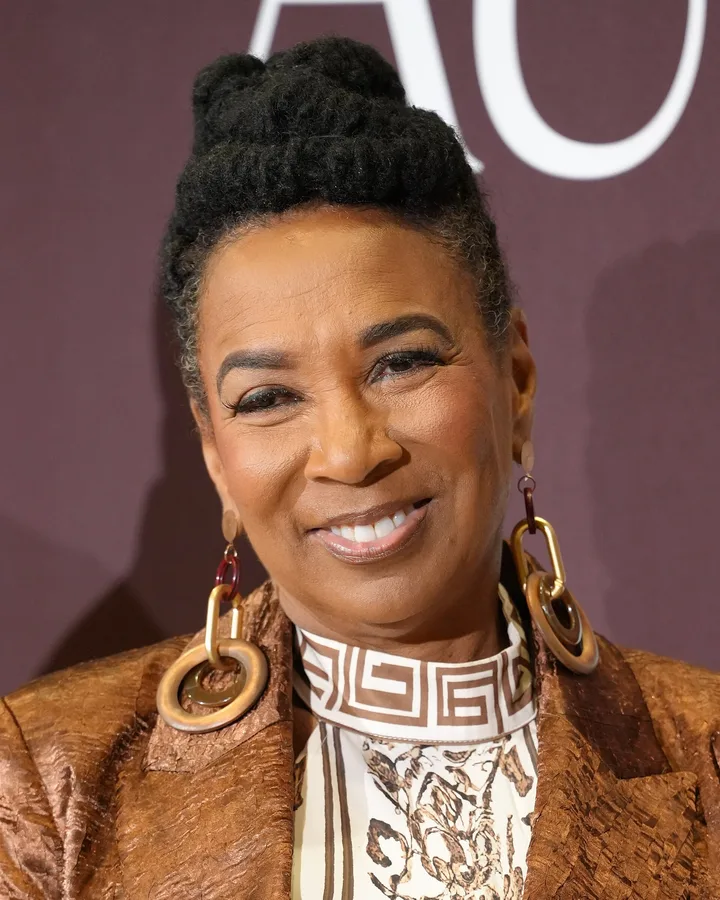
Kimberlé Crenshaw
She showed that a Black woman could lose the same case twice over, and named why.
The rise
Born in Canton, Ohio, in 1959, she studied at Cornell, took her law degree at Harvard and a master's at Wisconsin, then joined the UCLA law faculty in 1986. Reading employment cases, she found courts that would hear race or sex but never both at once, leaving Black plaintiffs with a harm the law could not see.
What they did
A 1989 article in the University of Chicago Legal Forum gave that blind spot a name: intersectionality. The term travelled from law reviews into courtrooms, UN texts and corporate policy. She co-founded the African American Policy Forum, launched #SayHerName in 2014 to count Black women killed by police, and advised on the equality clause of South Africa's constitution.
The full picture
The word became a catch-all identity label detached from the legal argument she built, which she has said she regrets. Some twenty US states now restrict how race is taught in schools, much aimed at critical race theory; she argues the target is a caricature. She teaches at UCLA and Columbia and published a memoir in May 2026.
Why it matters
One term from a law review is now used in courts, parliaments and UN documents — and fought over in American legislatures. Few academic words have been adopted, and attacked, so widely.
“Intersectionality is a lens, a prism, for seeing the way in which various forms of inequality often operate together and exacerbate each other.”