 KemetLeads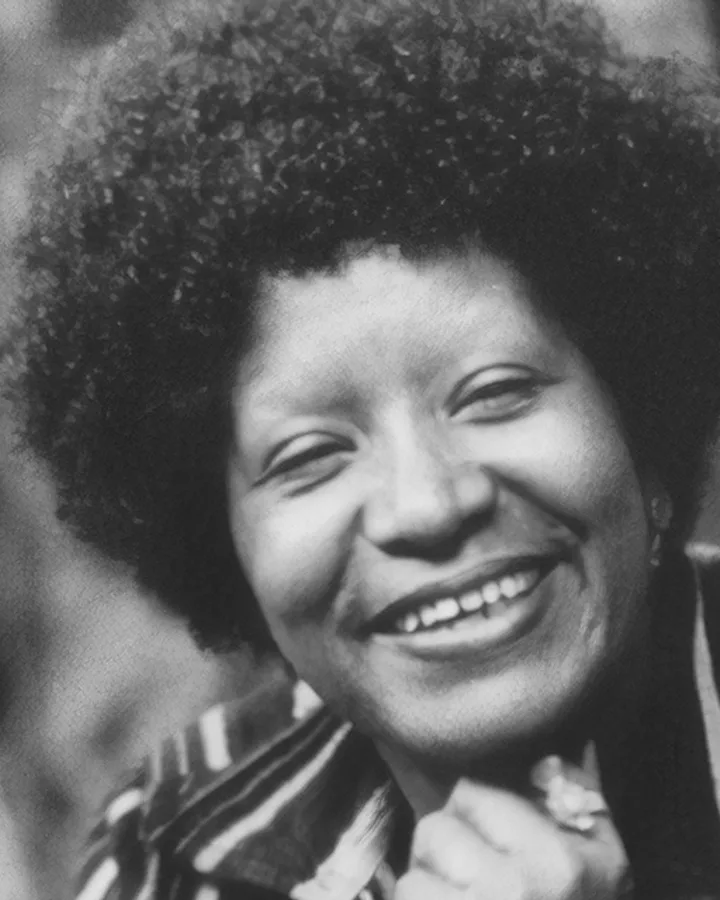
Lélia Gonzalez
She named what Brazil does to Black women, and gave the Americas their own word for themselves.
The rise
Born in Belo Horizonte on 1 February 1935, seventeenth of eighteen children of a Black railway worker and an Indigenous domestic servant. She left the Colégio Pedro II in 1954 and took degrees in history and geography and in philosophy, a master's in social communication, and a doctorate in political and social anthropology.
What they did
She taught at PUC-Rio, where she headed the sociology and politics department, and at UERJ and Parque Lage. In 1978 she helped found the Movimento Negro Unificado, the mass Black movement that formed under the dictatorship. Her 1988 essay coined amefricanidade, reading the Americas as a Black and Indigenous formation, and pretuguês for the African imprint on Brazilian Portuguese.
The full picture
She was marginal in her lifetime. She ran for federal deputy for the Workers' Party in 1982 and for state deputy for the PDT in 1986, placed first alternate both times and never sat, and broke with the PT over its handling of race. She died of a heart attack in Rio on 10 July 1994; her recognition is almost wholly posthumous.
Why it matters
She gave Latin America its own vocabulary for race, gender and class decades before that language arrived from the English-speaking world, and helped build the movement that carried it.
“Given that we Blacks are in the trash can of Brazilian society, ... in this work we are assuming our own speech. That is, the garbage will speak, and it's all good.”