 KemetLeads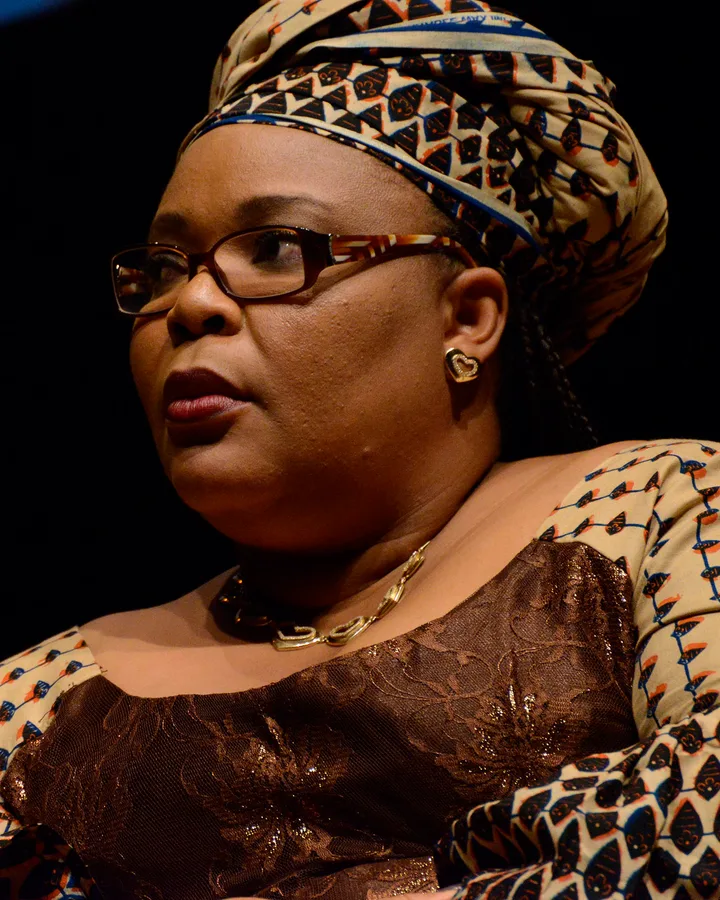
Leymah Gbowee
She put Christian and Muslim women in white between the warlords and the exit, and kept them there.
The rise
Born on 1 February 1972 in central Liberia, she was seventeen when Taylor's war reached Monrovia and spent it as a refugee and a teenage mother, then trained as a trauma counsellor and treated the child soldiers who had done the killing. From 2002 she organised Liberian women through the West African women's peace network.
What they did
Early in 2003, seven women and ten dollars started the Women of Liberia Mass Action for Peace. Thousands in white sat in Monrovia's fish market until Taylor agreed to talk, and in June they barricaded the Accra negotiations; told she was obstructing justice, Gbowee offered to strip. The agreement was signed on 18 August 2003 and Taylor went into exile.
The full picture
She resigned as head of Liberia's Reconciliation Initiative in September 2012 and said that her co-laureate Ellen Johnson Sirleaf was practising the nepotism she condemned in others; three of her sons held state posts. The break cost the movement its access to the presidency; by June 2025 she was praising Sirleaf's record again.
Why it matters
Unarmed women, organised across church and mosque, out-waited armed men holding a country — and she has spent the years since saying loudly that the peace they won was never finished at home.
“We used our pain, broken bodies and scarred emotions to confront the injustices and terror of our nation.”