 KemetLeads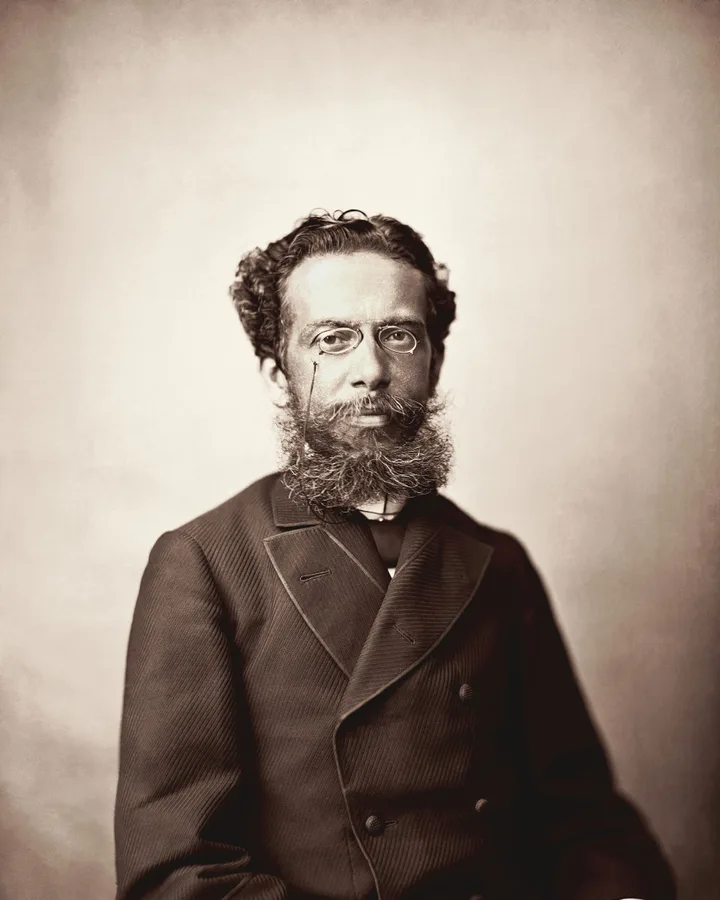
Machado de Assis
The grandson of freed slaves who set a nation's literary standard, then was painted white after his death.
The rise
Born on 21 June 1839 on Rio's Morro do Livramento to a wall-painter father, himself the son of freed slaves, and a laundrywoman from the Azores. Barely schooled and epileptic, he taught himself French, English and Greek, entered the Official Press at seventeen as a typesetter's apprentice, and rose through the civil service.
What they did
Memórias Póstumas de Brás Cubas (1881), narrated by a dead man who owes the reader nothing, and Dom Casmurro (1899) broke with Brazilian romanticism and are read today as forerunners of modernist narration. He helped found the Academia Brasileira de Letras on 20 July 1897 and presided over it until his death, while working four decades as a ministry clerk.
The full picture
He opposed slavery but almost never said so in his own name and stayed out of the abolitionist campaign, which Lima Barreto held against him. His death certificate records him as white, and researchers comparing Brazilian and foreign prints of his portraits find him lightened. In 2011 a Caixa advert cast a white actor as him.
Why it matters
He proved, from the bottom of a slave society, that a self-taught Black clerk could set a country's literary standard — and built the institution that still guards it.
“What must be demanded of the writer above all is a certain inward feeling that makes him a man of his time and his country, even when he treats subjects remote in time and space.”