 KemetLeads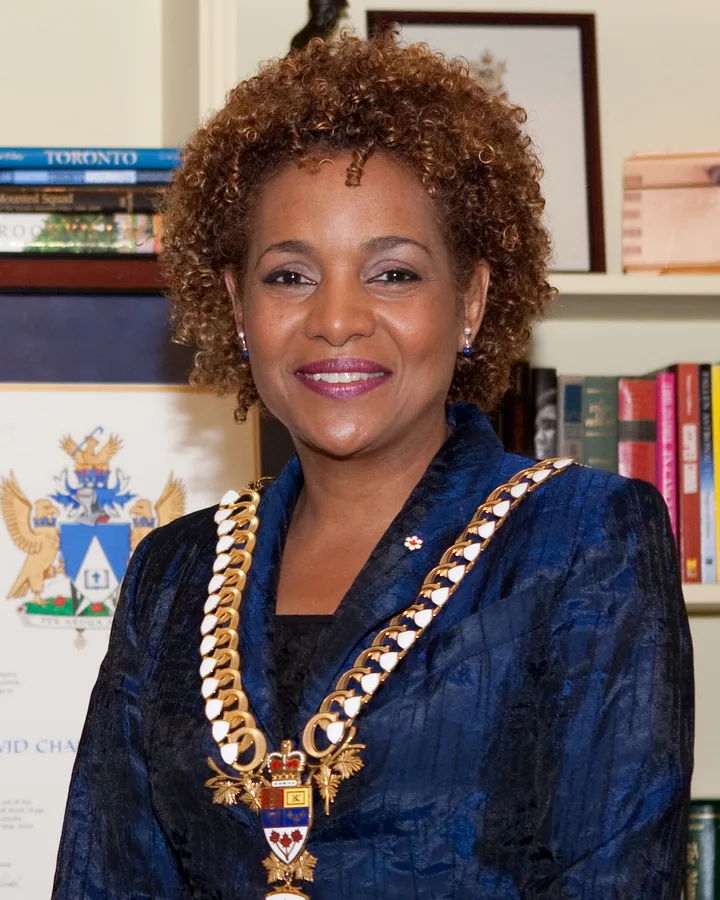
Michaëlle Jean
A refugee child from Duvalier's Haiti ended up signing Canada's laws into force.
The rise
Born in Port-au-Prince on 6 September 1957, she reached Quebec in 1968 with her mother and sister, fleeing the Duvalier dictatorship. She read comparative literature in Montreal and studied in Italy, worked with shelters for battered women, and from 1988 built a career as a Radio-Canada reporter and anchor.
What they did
Installed on 27 September 2005 as Canada's 27th Governor General, the first Black person in the office: representative of the Crown and commander-in-chief. UNESCO named her special envoy for Haiti after the 2010 earthquake, and she led the Organisation internationale de la Francophonie from January 2015 to the end of 2018, the first woman and first person from the Americas to hold it.
The full picture
On 4 December 2008 she granted Stephen Harper's request to prorogue Parliament, sparing a minority government a confidence vote — scholars still argue over it. In 2018 the press reported OIF spending, including a €500,000 renovation of the Paris residence, which she disputed; she lost re-election at Yerevan that October.
Why it matters
From a child fleeing a dictatorship to the person who gives a G7 country's laws royal assent, and then to the head of a global institution: few diaspora trajectories run the whole length.
“The time of the 'two solitudes' that for too long defined our approach to this country is over.”