 KemetLeads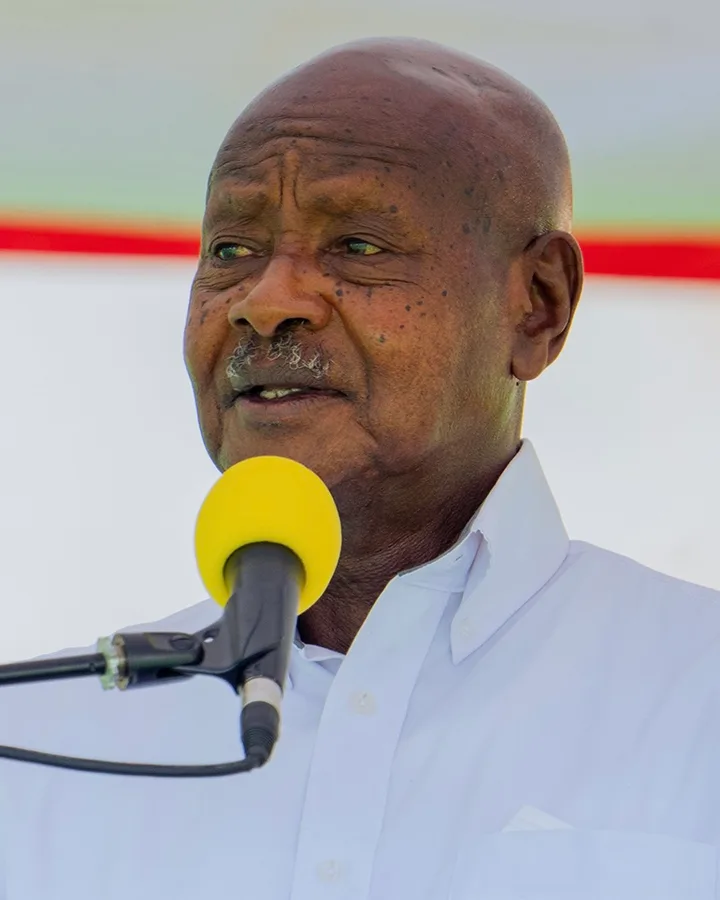
Yoweri Museveni
The rebel who warned against leaders who overstay — then stayed for decades.
KemetLeads Scorecard
How we score →Took power by force in 1986; term limits were removed in 2005 and age limits in 2017; stability and growth against long-running repression.
P = percentile among the other African countries over the same years. Rows 1–4 are country-level change during the tenure — evidence, not proof.
Our read
The deltas agree with his own famous warning about leaders who overstay: participation up since 1986, but governance and rule of law now sliding after four decades.
Power 1986–
Term limits removed in 2005, the presidential age limit in 2017; seventh term in 2026.
Sources: Archigos 4.1 (Goemans, Gleditsch & Chiozza) · Powell & Thyne coup data V2026.08.29 · term-limit conduct coded by KemetLeads
The rise
A guerrilla commander, Museveni seized power in 1986 and brought early stability, growth, and praise for Uganda's response to HIV/AIDS.
What they did
He rebuilt a shattered economy and made Uganda a regional security player, hosting refugees and contributing troops to African missions.
The full picture
Term and age limits were scrapped to extend his rule; opposition crackdowns and dynastic succession fears have hardened his grip past four decades.
Why it matters
Museveni is the textbook case of the liberator who became the very thing he once denounced.
“The problem of Africa is leaders who want to overstay in power.”