 KemetLeads
2026's ballot year is a referendum on how leaders leave
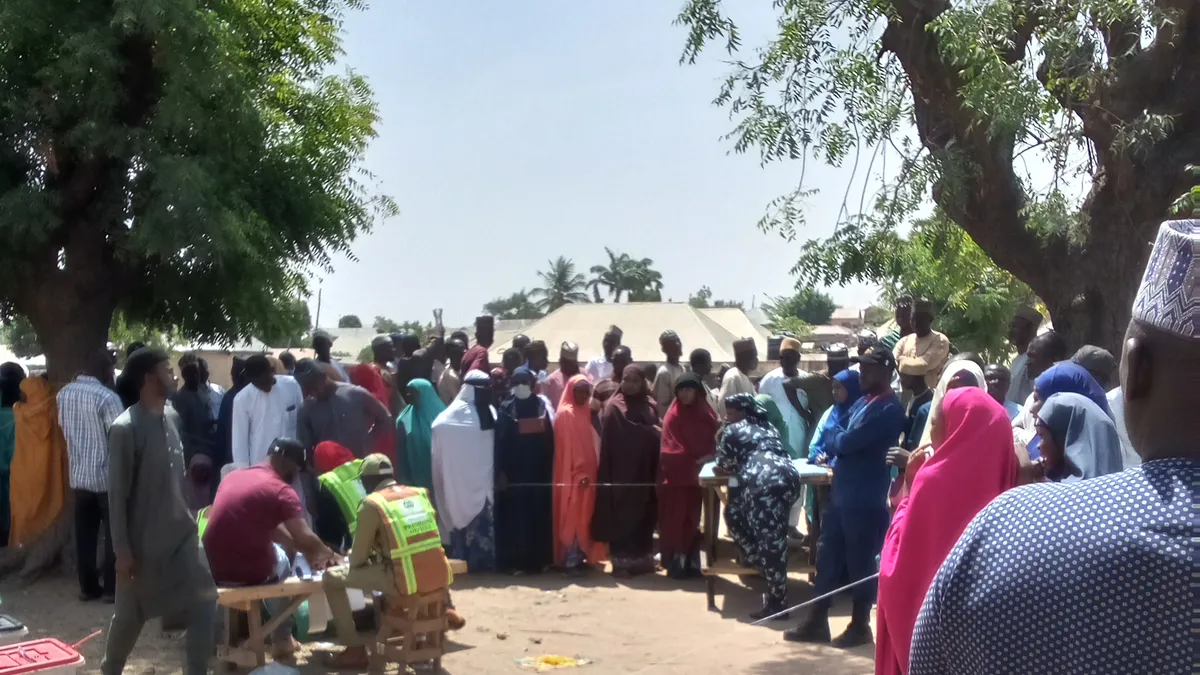
2026's ballot year is a referendum on how leaders leave
From Museveni's seventh term — won in January with 72% after term and age limits were removed — to December's legislative vote in Cameroon, this year's crowded election calendar is testing the continent's longest-serving incumbencies, several with no succession in sight.
Our Scorecard's fifth criterion — constitutional conduct and exit — is the story of this election year. History's verdict is written less by how leaders govern than by how they go. Mandela set the standard in a single term; leaders deep into their fourth decade are writing a different chapter. Watch the successions nobody is planning.
Cameroon's 20 December legislative vote, and any succession signal from Kampala, Yaoundé or Brazzaville.
SourcesAfrica Center, 2026 elections · allAfrica, Museveni declared · Anadolu factbox
More from the Brief
 Lumumba said history would speak — in Congo this week, two men grabbed the pen
On 13 October Joseph Kabila — president from 2001 to 2019, sentenced to death in absentia for treason by a military court in 2025 — launched the Front for the Refoundation of the Nation (FRN) at a news conference in rebel-held Goma, taking the head of a coalition that includes the Rwanda-backed M23, with the AFC's Corneille Nangaa among his deputies (Al Jazeera, 13 October). Two days later Interior Minister Jacquemain Shabani banned the activities of 13 political parties across the country, including Kabila's PPRD and Augustin Matata Ponyo's LGD, in a notice that states no legal ground, duration or dissolution (Actualité.cd, 15 October).
3 sources
 Mozambique's Rome peace turns 34 — it held by turning an army into a party
On 4 October 1992 in Rome, President Joaquim Chissano and Renamo's leader Afonso Dhlakama signed the General Peace Agreement that ended 14 years of civil war; a UN mission of some 6,500 troops and observers then oversaw the demobilisation of more than 76,000 soldiers and Mozambique's first multiparty elections, held from 27 to 29 October 1994, in which Renamo won 37.8% of the legislative vote and Dhlakama 33.7% of the presidential one (United Nations, ONUMOZ). Renamo returned to arms in October 2013 after a government raid on its camp, and a new accord was signed in Maputo on 6 August 2019 by President Filipe Nyusi and Renamo's leader Ossufo Momade (Mail & Guardian, 8 August 2019).
3 sources
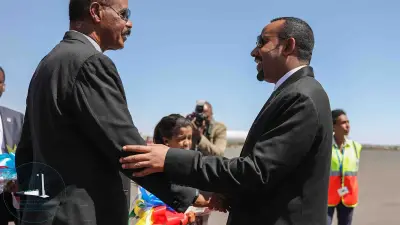 Ethiopia and Eritrea cut ties — the Nobel peace was signed by two men, not two states
Ethiopia's foreign ministry declared ten Eritrean diplomats in Addis Ababa persona non grata on 1 October, gave them 48 hours to leave and announced the closure of its embassy in Asmara, citing “direct and indirect acts of hostility and belligerence” (Addis Insight, 1 October); the same day Eritrea's foreign ministry severed “all diplomatic ties”, saying Ethiopia had pursued for three years “a publicly pronounced declaration of war” over sovereign access to the sea (Ministry of Foreign Affairs, Asmara, 1 October). The two governments had restored relations in declarations Abiy Ahmed and Isaias Afwerki signed in Asmara and Jeddah in July and September 2018, which the Norwegian Nobel Committee cited when it awarded Abiy the 2019 Peace Prize (Nobel Committee, 11 October 2019).
5 sources