 KemetLeads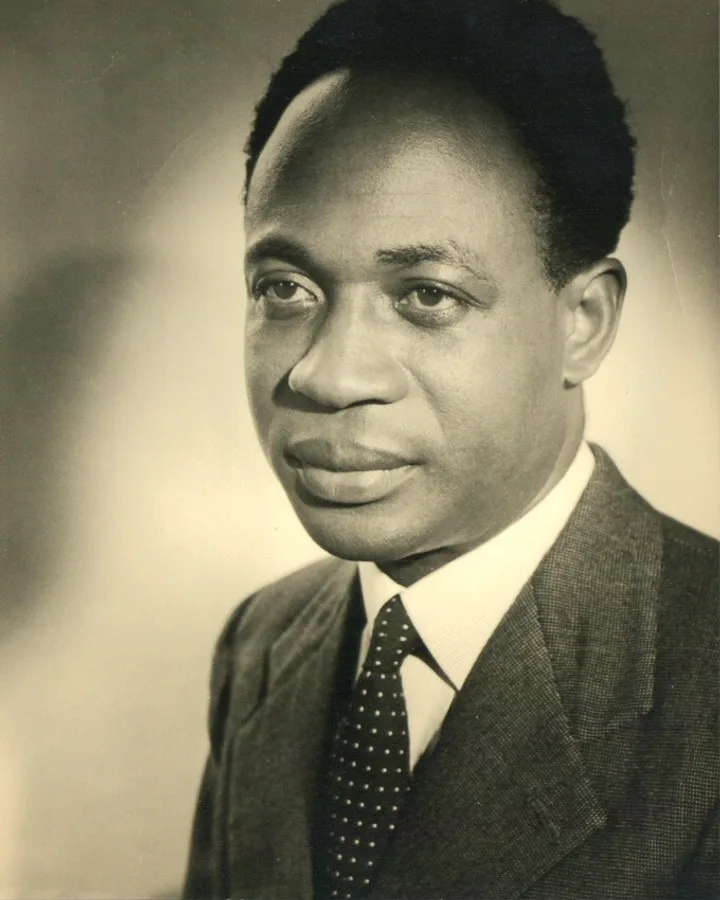
Kwame Nkrumah
The architect of African independence who dreamed of a united continent.
KemetLeads Scorecard
How we score →Won free elections, then imposed a one-party state and life presidency; overthrown in 1966 despite real development gains.
P = percentile among the other African countries over the same years. Rows 1–4 are country-level change during the tenure — evidence, not proof.
Our read
The scorecard is harsh on Nkrumah because conduct is what it measures — and the one-party state was real. What it cannot weigh is his place as the continent's first liberator and the institutions his decade built.
Power 1957–1966
The 1964 referendum made Ghana a one-party state and Nkrumah president for life.
Sources: Archigos 4.1 (Goemans, Gleditsch & Chiozza) · Powell & Thyne coup data V2026.08.29 · term-limit conduct coded by KemetLeads
The rise
Educated in the US and UK, Nkrumah returned to lead the Gold Coast's independence movement, making Ghana the first sub-Saharan African nation to gain independence in 1957.
What they did
He drove rapid industrialization and education, built the Akosombo Dam, and was a founding force behind the Organisation of African Unity. His vision of a politically united 'United States of Africa' remains the boldest pan-African idea ever articulated.
The full picture
His government grew increasingly one-party and authoritarian, and ambitious spending strained the economy. He was overthrown in a 1966 military coup while abroad and died in exile.
Why it matters
Nkrumah set the template for the independence generation — and the tension between visionary ambition and democratic accountability that still defines African leadership debates.
“Our independence is meaningless unless it is linked up with the total liberation of Africa.”