 KemetLeads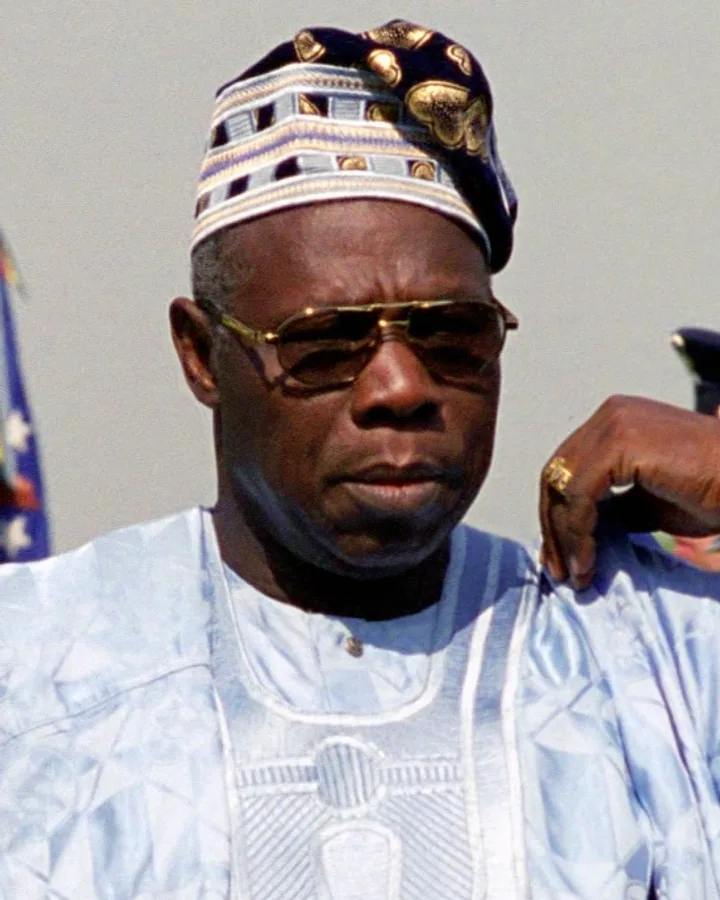
Olusegun Obasanjo
The general who became the first African military ruler to voluntarily hand power to elected civilians, twice.
KemetLeads Scorecard
How we score →Military successor who handed over to civilians on schedule in 1979; elected in 1999; a 2006 third-term bid was rejected by the Senate and he left in 2007 after a badly flawed election; debt relief and telecoms boom.
P = percentile among the other African countries over the same years. Rows 1–4 are country-level change during the tenure — evidence, not proof.
Our read
Development at P71 on the oil-and-telecoms boom and debt relief; rights at P8 — Odi, Zaki Biam, the 2007 election. The Senate's rejection of his third term is the one thing on this row a percentile cannot capture, and the one that matters most.
Power 1999–2007
A 2006 bid to lift the two-term limit was defeated in the Senate; he left in 2007.
Sources: Archigos 4.1 (Goemans, Gleditsch & Chiozza) · Powell & Thyne coup data V2026.08.29 · term-limit conduct coded by KemetLeads
The rise
Born in 1937 in Abeokuta, Obasanjo joined the army in 1958, rose to command the Nigerian forces that accepted Biafra's surrender in 1970, and became military head of state in 1976 after the assassination of General Murtala Mohammed.
What they did
In 1979 he handed power to an elected civilian government, becoming the first African military leader to do so voluntarily; two decades later, after a term in prison under Sani Abacha, he was elected president in 1999 and again in 2003, anchoring Nigeria's return to civilian democracy.
The full picture
His presidency pushed anti-corruption reforms and secured major debt relief, but was marred by a failed push to amend the constitution for a third term and by 2003 and 2007 elections widely criticized by observers as flawed; he has continued to intervene in Nigerian politics as an elder statesman since leaving office.
Why it matters
Obasanjo's willingness to step down from military power, unusual on the continent, made him one of the few African leaders trusted by both juntas and democracies as a mediator and elder statesman.