 KemetLeads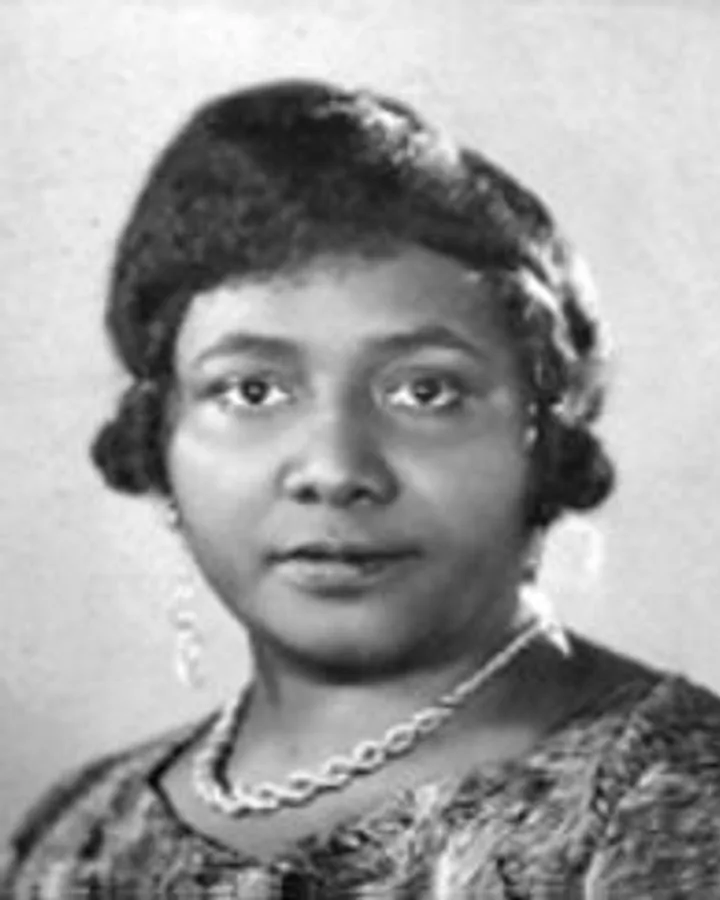
Paulette Nardal
Négritude was born in her living room, and the men who left it took the credit.
The rise
Born in Martinique in 1896, the daughter of an engineer and a schoolteacher, she reached Paris in 1920 and became one of the first Black women to read English at the Sorbonne. With her sisters Jane and Andrée she opened a Sunday salon at Clamart, on the southern edge of the city.
What they did
Clamart put Aimé Césaire, Léopold Sédar Senghor and Léon-Gontran Damas in the same room as Langston Hughes and Claude McKay, and in 1931 she co-founded and edited La Revue du monde noir, printed in French and English so Africa, the Caribbean and Black America could finally read each other. After 1945 she served in the UN division for non-self-governing territories.
The full picture
Her politics were Catholic and conservative. She backed departmentalisation, worked inside French institutions rather than against them, and kept her distance from the anticolonial rupture her guests went on to write. Fleeing France in 1939 she was torpedoed at sea, broke both knees and never walked unaided again.
Why it matters
The room and the journal were hers; the fame went to the men who passed through them. She is this collection's clearest case of intellectual leadership erased by gender.
“One could not speak of slavery, or say one was proud to be descended from Black Africans, without being taken for a zealot, or at the very least an eccentric.”