 KemetLeads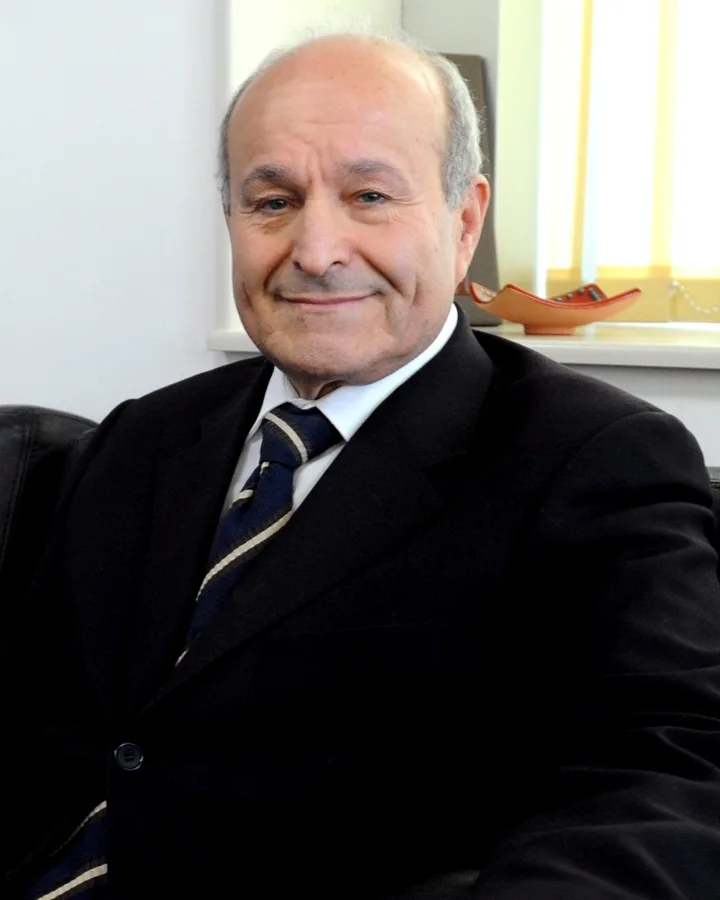
Issad Rebrab
He built Algeria's largest private company in a state that licenses everything — and it jailed him.
The rise
Born on 27 May 1944 at Taguemount Azouz in Kabylie, Rebrab taught accounting and ran an accounting practice before buying into a metal-construction firm in 1971. Profilor followed in 1975 and Metal Sider in 1988; in 1998 he founded Cevital, beginning with edible oil and sugar at the port of Béjaïa.
What they did
Cevital grew into Algeria's largest private group — sugar at two million tonnes a year, oil, glass, steel, appliances, retail — with about 18,000 employees, and bought European industry: Oxxo in 2013, Brandt and the Piombino steelworks in 2014. Several Algerian projects stalled for want of state authorisation, and he said so publicly. In June 2022 he handed the group to his son Malik.
The full picture
Arrested on 22 April 2019 in the purge after Bouteflika's fall, he got six months for foreign-exchange, customs and false-declaration offences and a 1.38 billion dinar fine; freed on 1 January 2020, he had already spent eight months on remand. Cevital's rise in a licence-bound economy is inseparable from the permits it did win.
Why it matters
Algeria enters the collection only through its revolution. Rebrab is what came next: a private industrialist in a rentier oil state, blocked at home and then jailed in a purge that owed as much to faction as to evidence.
“Algerian companies can create jobs and wealth and win market share abroad, provided they are allowed to invest and initiative is set free.”