 KemetLeads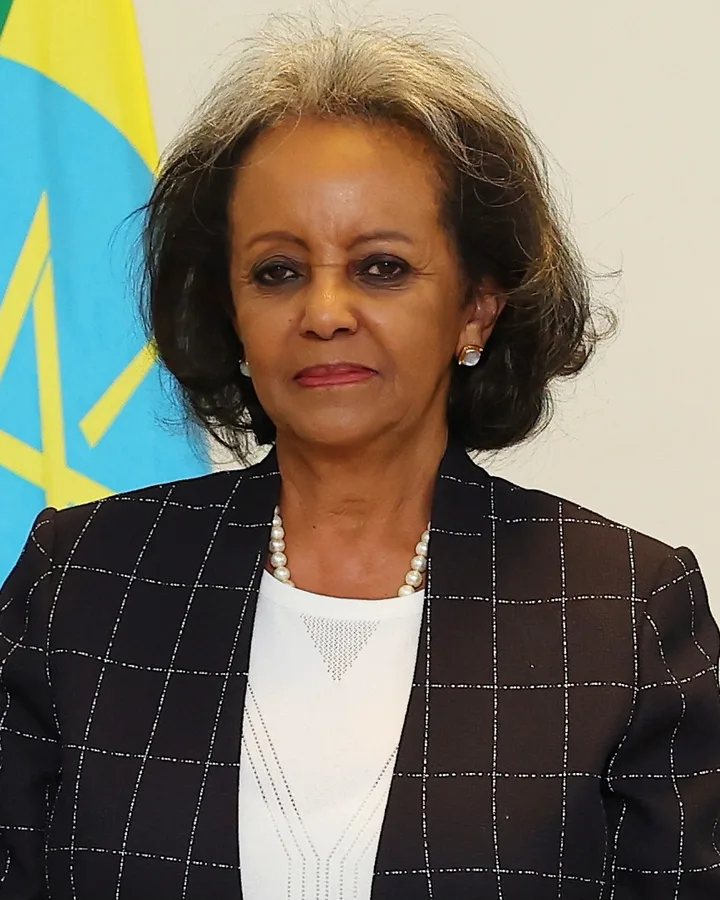
Sahle-Work Zewde
She ran three embassies and a UN office, then took a presidency with no executive power.
The rise
Born on 21 February 1950 in Addis Ababa and schooled in France, she joined the foreign ministry and spent decades abroad: ambassador to Senegal from 1989, to Djibouti from 1993, to France from 2002. She ran the UN Office at Nairobi from 2011, and from June 2018 the UN Office to the African Union.
What they did
Both houses of parliament elected her president unanimously on 25 October 2018, Ethiopia's first woman head of state and then Africa's only serving one. From a ceremonial post she pressed the case for women in public life and chaired UNESCO's commission on the futures of education. Her term ended on 7 October 2024; in June 2026 the UN named her to review its West Africa and Sahel office.
The full picture
The Ethiopian presidency is ceremonial; power sits with the prime minister. She held it through the Tigray war of 2020–2022, calling for talks without preconditions while backing federal action against the TPLF, and rights advocates criticised how little of the office's standing she spent while the fighting and famine ran on.
Why it matters
She reached the top of Ethiopian and UN diplomacy through the service ladder rather than a party machine, and turned a powerless office into a standing argument for women in the rooms where decisions are made.
“The absence of peace victimises firstly women, so during my tenure I will emphasise women's roles in ensuring peace and the dividends of peace for women.”