 KemetLeads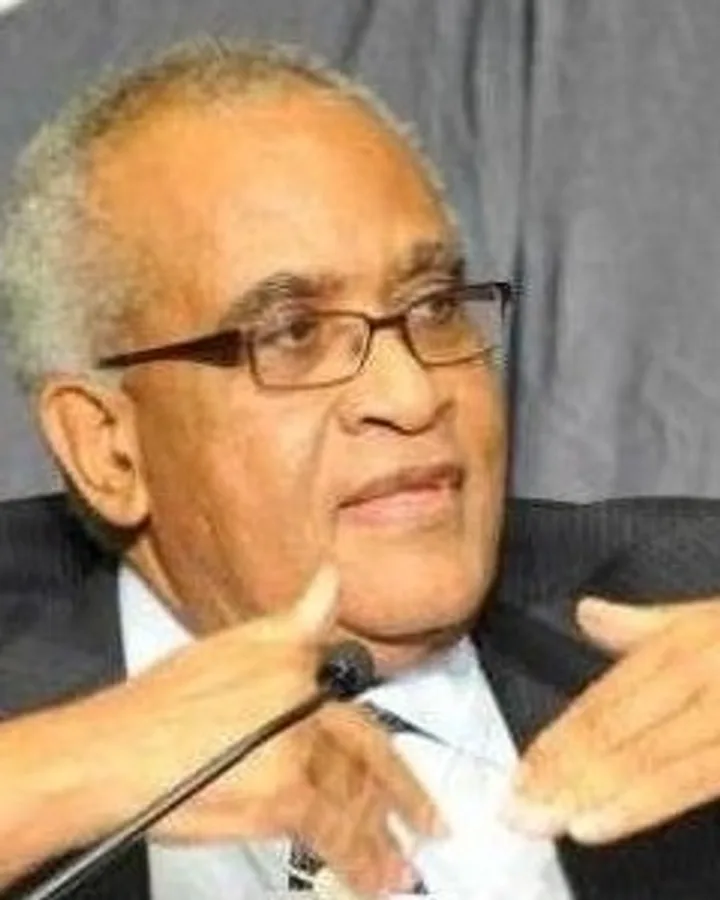
Salim Ahmed Salim
Vetoed out of the top UN job by Washington, he went home and built Africa's first machinery for its own wars.
The rise
Born in Zanzibar on 23 January 1942, a student activist in his teens, he was an ambassador at 22, in Cairo, then Delhi and Beijing, and Tanzania's UN permanent representative from 1970 to 1980, where he chaired the decolonisation committee and cheered Beijing's seating in 1971. He presided over the General Assembly in 1979–80.
What they did
In the 1981 Security Council ballots he led Kurt Waldheim 11–10 on the first round but was vetoed by the United States; after sixteen deadlocked rounds both withdrew. Prime minister in 1984–85, he ran the OAU from 1989 to 2001, wrote in 1990 that non-interference must not mean indifference, created the 1993 conflict-prevention mechanism and steered the OAU into the African Union.
The full picture
The OAU he led kept to non-interference through the Rwandan genocide and the wars in Liberia and Sierra Leone, and his underfunded mechanism fielded only small observer missions. In 1996 a French veto threat kept him off the ballot. His May 2006 Abuja deal for Darfur was signed by one rebel faction; the fighting went on.
Why it matters
The clearest map of the ceiling on African multilateral ambition: blocked by one permanent member, then another. He built instead the OAU's first peace machinery, ancestor of the AU Peace and Security Council.
“While the principle of non-interference in the internal affairs of Member States should continue to be observed, it should, however, not be construed to mean or used to justify indifference on the part of the OAU.”