 KemetLeads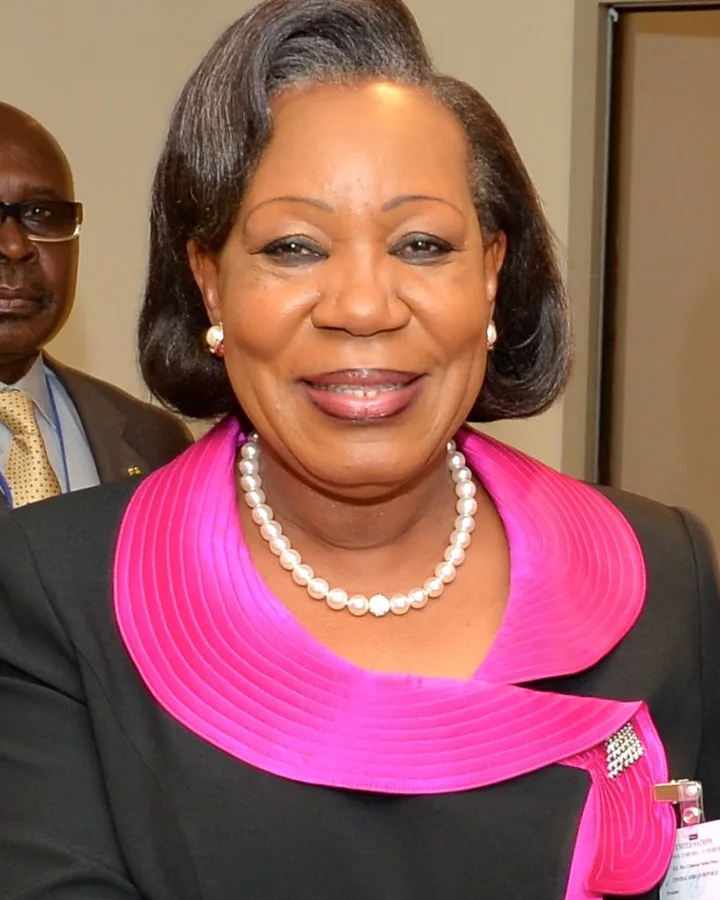
Catherine Samba-Panza
She belonged to neither militia, which is exactly why a collapsing state handed her the keys.
The rise
Born on 26 June 1954 in Fort-Lamy, now N'Djamena, she read insurance law in Paris, worked there as an underwriter and returned to Bangui in 1984. She built her own brokerage, campaigned against genital cutting and domestic violence, and was made mayor of Bangui in June 2013 as the country came apart.
What they did
The transitional council elected her interim president on 20 January 2014, the first woman in the post, amid the Séléka–anti-balaka war. She called on both militias by name to disarm, kept Bangui running, held a referendum and elections, and handed power to the elected Faustin-Archange Touadéra in March 2016. Since 2025 she has been an African Union facilitator on eastern Congo.
The full picture
A 2017 UN Panel of Experts report raised questions about the handling of a $10 million Angolan donation during her transition; she denied wrongdoing and no charge followed. The militias were never disarmed and violence resumed after she left. She ran for president in December 2020 and took 0.86 per cent of the vote.
Why it matters
A civilian woman from neither armed camp was trusted to hold a collapsing state together long enough to give it back to voters — and did it, then left when the ballots said so.
“From this day on, I am the president of all Central Africans, with no one left out.”