 KemetLeads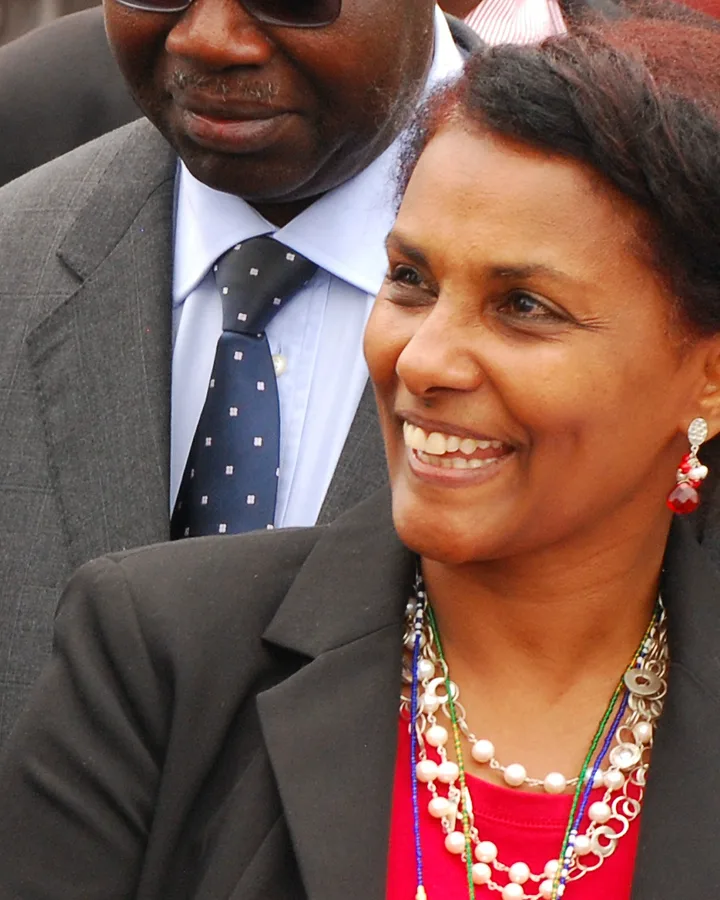
Segenet Kelemu
She left a small Ethiopian town for American laboratories, then spent a career bringing the laboratory back.
The rise
Born in Finote Selam in northern Ethiopia, the first woman from her region to attend university, she graduated from Addis Ababa, then took a master's at Montana State, a doctorate at Kansas State and a fellowship at Cornell — twenty-five years in the United States and Colombia before she came home.
What they did
At the tropical agriculture centre in Cali she showed that fungi inside Brachiaria forage grasses keep them in leaf through drought and put aphids off feeding — protection grown into the plant rather than sprayed on. She returned in 2007 to run Nairobi's BecA Hub, led icipe from 2013 to 2023, the first woman to do so, and now directs Pan-African programmes at the Mastercard Foundation.
The full picture
She argues for biotechnology and genetically modified crops in Africa, calling the GM argument a non-issue, against seed-sovereignty campaigners who read the same technology as a transfer of control. Her research years were spent in American and Colombian institutions, and icipe ran on donor money from outside the continent.
Why it matters
Her answer to hunger is not a policy paper but an organism — a fungus already inside the grass. Since 2007 she has made the case that such work can be done from Nairobi, not only about Africa from somewhere else.
“If you don't go and visit your intended end-users, then you're not doing the right thing.”