 KemetLeads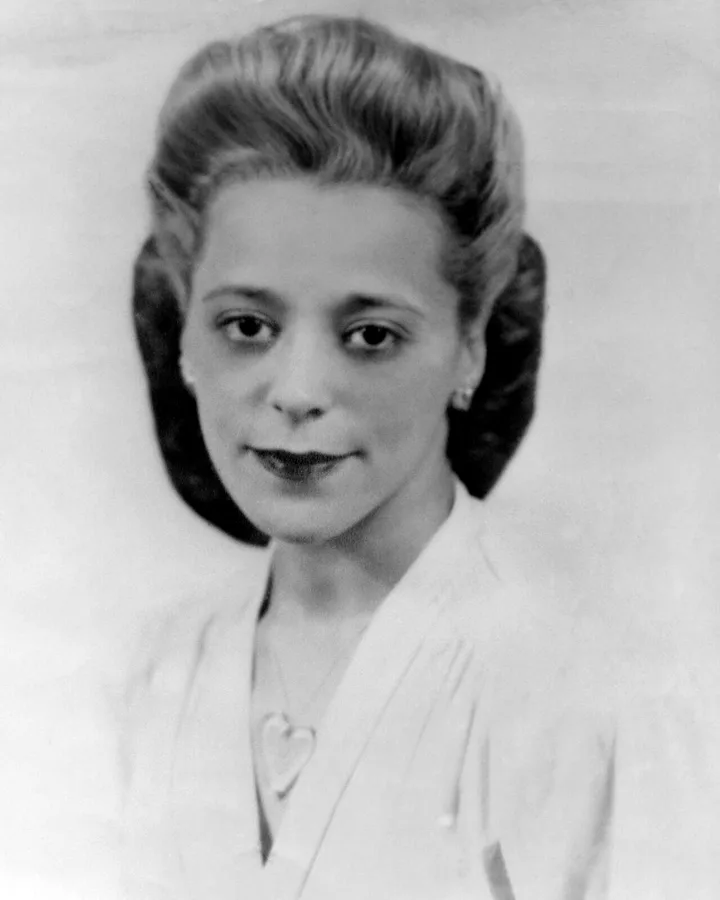
Viola Desmond
Canada convicted her of cheating the province out of one cent, then printed her on the ten-dollar bill.
The rise
Born on 6 July 1914 in Halifax, she trained in Montreal, Atlantic City and New York because Nova Scotian beauty schools would not enrol Black women. She came back and opened Vi's Studio of Beauty Culture, her own product line, and a school that put about fifteen Black women a year into salons across the Maritimes.
What they did
On 8 November 1946 the Roseland Theatre in New Glasgow refused to sell her a floor ticket; she sat on the floor anyway. A policeman and the manager carried her out, injuring her hip; she was held twelve hours and fined $26 for defrauding the province of one cent in amusement tax. Nova Scotia pardoned her posthumously in 2010, a Canadian first, and the $10 note carried her from 2018.
The full picture
No Nova Scotian law mentioned race; segregation was private practice, so the province prosecuted a tax offence. Every appeal failed on procedure, though a judge asked whether a public statute had been misused to enforce Jim Crow. Her marriage and business did not survive; she left for Montreal and New York, dying there in 1965.
Why it matters
She acted alone, nine years before Montgomery, with no movement behind her and no law to appeal to. That one-cent conviction is now the hinge of a reckoning in a country that insisted it had no segregation to answer for.
“The policeman grasped my shoulders and the manager grabbed my legs, injuring my knee and hip. They carried me bodily from the theatre, out into the street.”