 KemetLeads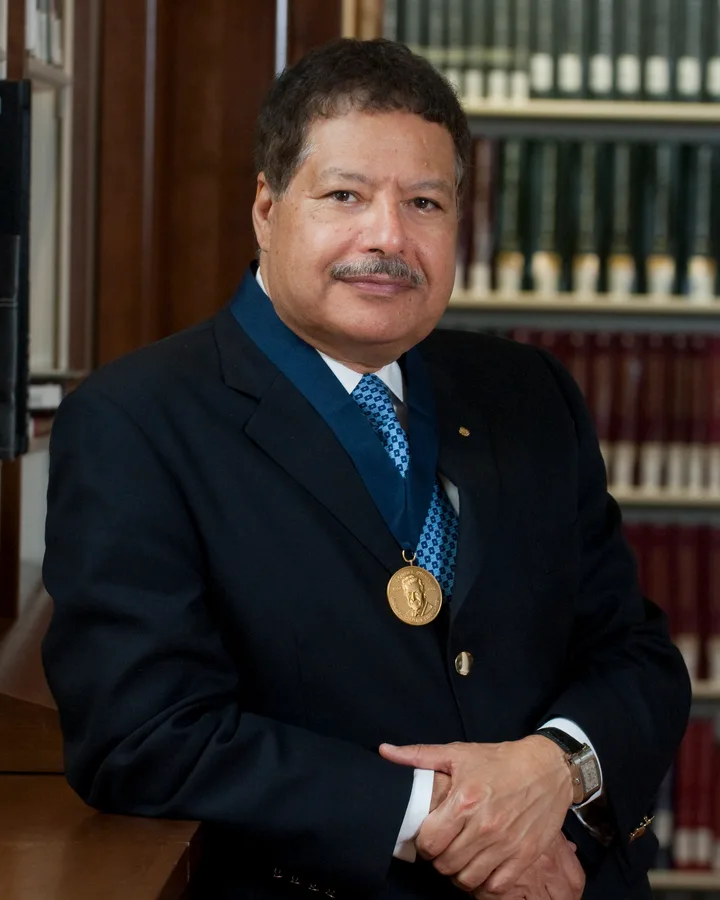
Ahmed Zewail
He built a camera fast enough to film atoms in the act of becoming something else.
The rise
Born in Damanhur and raised in Desouk, Zewail took his first degrees at Alexandria University before moving to the United States for a doctorate at Penn. Caltech hired him in 1976, and he stayed there for forty years.
What they did
Using laser flashes lasting femtoseconds — a millionth of a billionth of a second — he caught chemical bonds in the act of breaking and forming, founding the field he named femtochemistry. The 1999 Nobel Prize in Chemistry made him the first Egyptian and first Arab laureate in a science. He then pressed Egypt to build Zewail City of Science and Technology.
The full picture
Zewail City spent years mired in litigation and land disputes with Nile University over its campus. Critics inside Egypt argued that his celebrity gave post-2011 governments a scientific veneer while he stayed cautious about their repression; he never publicly broke with the authorities who courted him.
Why it matters
He is the best available proof that Africa's science gap is a problem of institutions rather than talent — and his attempt to convert personal prestige into a permanent national capability is the harder, unfinished half of the story.
“I sincerely hope that this first one will inspire the young generations of developing countries with the knowledge that it is possible to contribute to world science and technology.”