 KemetLeads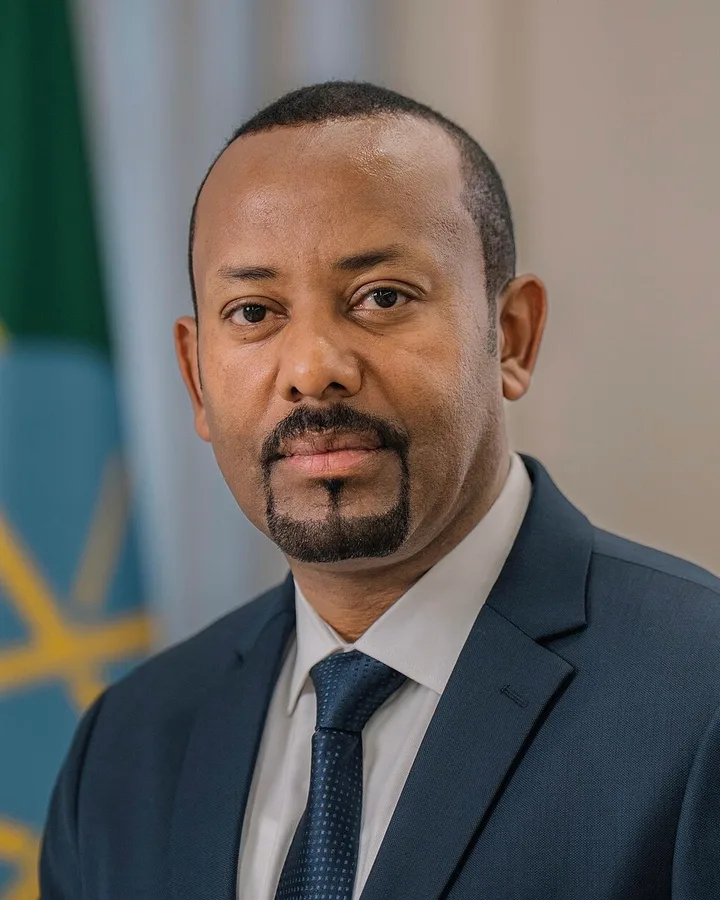
Abiy Ahmed
The reformer-turned-wartime leader who embodies hope's fragility.
KemetLeads Scorecard
How we score →Early reforms and a Nobel Prize gave way to the Tigray war's enormous human cost; elections held amid boycotts.
P = percentile among the other African countries over the same years. Rows 1–4 are country-level change during the tenure — evidence, not proof.
Our read
Few leaders have moved a scorecard in both directions this fast: the 2018–19 opening, then a war whose human cost swallowed it. The deltas net out; the history does not.
Power 2018–
Ethiopia's constitution sets no term limit for the prime minister.
Sources: Archigos 4.1 (Goemans, Gleditsch & Chiozza) · Powell & Thyne coup data V2026.08.29 · term-limit conduct coded by KemetLeads
The rise
A former intelligence officer, Abiy became prime minister in 2018 promising sweeping reform.
What they did
He freed political prisoners, liberalized the economy, welcomed home exiles, and signed a peace deal with Eritrea that won him the 2019 Nobel Peace Prize.
The full picture
Within a year, civil war erupted in Tigray (2020–2022), bringing mass atrocities, famine, and hundreds of thousands of deaths — a devastating reversal of his peacemaker image.
Why it matters
Abiy's arc is a sobering study in how quickly reformist promise can collide with the brutal realities of holding a fractured state together.
“Peace is a labour of love. Sustaining peace is hard work.”