 KemetLeads
Botswana turns 60 in a diamond slump — Khama's rarest number was never the mine
Botswana turns 60 in a diamond slump — Khama's rarest number was never the mine
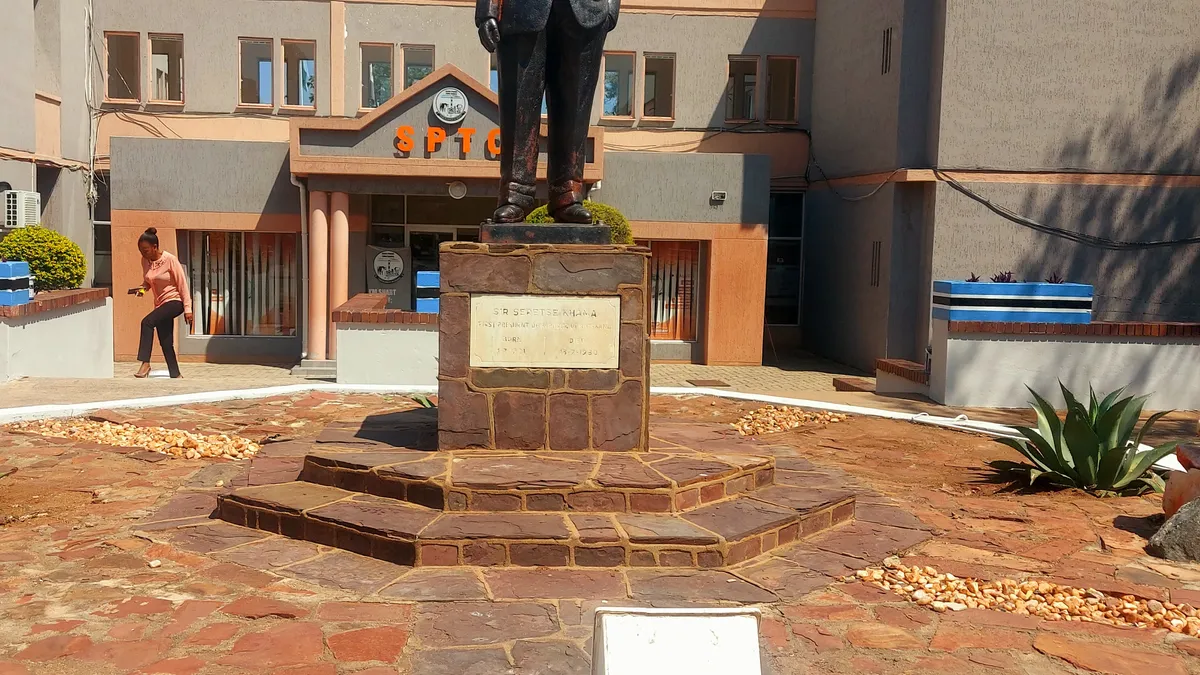
Botswana marks 60 years of independence on 30 September with its economy shrinking: the Ministry of Finance estimates GDP fell 2.8% in 2024 and 0.4% in 2025, and mineral revenue for 2025/26 was revised down 23.4% to P12 billion on weak diamond sales (Bank of Botswana, Monetary Policy Statement, February 2026). Government debt is projected at 38.8% of GDP by the end of 2025/26 and 44.7% by the end of 2026/27, above the 40% statutory limit — two years after voters, on 30 October 2024, removed the Botswana Democratic Party that had governed since 1966 (Al Jazeera, 1 November 2024).
Three leaders top our Scorecard's ranking for GDP per head against other African countries over the same years — Seretse Khama, Teodoro Obiang and Abiy Ahmed — and only Khama pairs it with democracy: +254% from 1966 to 1980 against a median of +18%, and the 98th percentile on electoral democracy, where Obiang sits at P43 and Abiy at P64. Of the 43 leaders we can grade on both counts, he is one of four in the top quarter on each, and the only one of the four above P79 on democracy. The usual reading is that diamonds made Botswana, and our data half agrees — Orapa was found in 1967, opened in 1971, and the money followed — but sixty years on it is the mine that is failing and the institutions that are holding, and our Power block shows how little of them was compulsory: the 1966 constitution set no term limit, the ten-year cap arriving only in 1997, and Khama, who faced no coup in fourteen years, kept elections genuinely contested anyway. They held under the hardest test available: in the year the economy shrank 2.8%, voters put the party Khama founded fourth, and Mokgweetsi Masisi conceded on 1 November 2024. We asked in August of the Congo's minerals deals who benefits; Botswana is the case that answered, and the real test of its seventh decade is whether a government that inherited the institutions but not the revenue can bring debt back under its own legal ceiling without moving the ceiling.
The 2027/28 Budget Speech in February 2027, and whether it brings government debt back under the 40%-of-GDP statutory limit or raises the limit instead.
SourcesBank of Botswana, Monetary Policy Statement, Feb 2026 · Debswana on the Orapa mine, discovered 1967, opened 1971 · Al Jazeera, 1 Nov 2024
More from the Brief
 Tigray seizes three airports — Ethiopia's growth did not buy the Pretoria peace
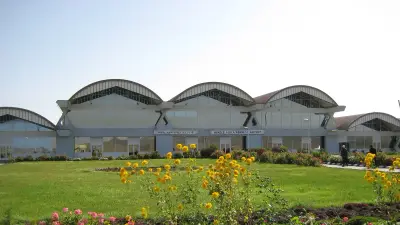
Tigray forces seized the civilian airports of Mekelle, Axum and Shire and detained federal personnel, the African Union said on 23 September, as fighting spread across Tigray, Afar and Amhara three days after seven armed movements, among them the Tigray People's Liberation Front, formed an alliance to overthrow Abiy Ahmed's government (Al Jazeera, 24 September). AU Commission chairperson Mahmoud Ali Youssouf called the seizures inconsistent with the Pretoria Agreement signed on 2 November 2022, which ended a war that killed hundreds of thousands, and asked Olusegun Obasanjo, the AU's High Representative for the Horn of Africa, to engage the parties urgently.
2 sources
Tigray seizes three airports — Ethiopia's growth did not buy the Pretoria peace
Tigray forces seized the civilian airports of Mekelle, Axum and Shire and detained federal personnel, the African Union said on 23 September, as fighting spread across Tigray, Afar and Amhara three days after seven armed movements, among them the Tigray People's Liberation Front, formed an alliance to overthrow Abiy Ahmed's government (Al Jazeera, 24 September). AU Commission chairperson Mahmoud Ali Youssouf called the seizures inconsistent with the Pretoria Agreement signed on 2 November 2022, which ended a war that killed hundreds of thousands, and asked Olusegun Obasanjo, the AU's High Representative for the Horn of Africa, to engage the parties urgently.
2 sources
 Morocco votes Wednesday — four fixtures this week, none that can change a head of state
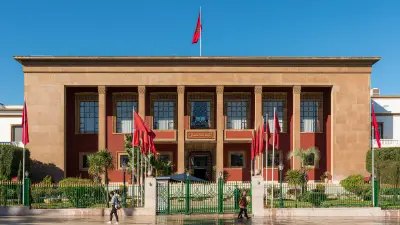
Morocco votes on 23 September for the 395 seats of the House of Representatives, with 15,801,162 registered voters, 28 parties and 7,288 candidacies on 1,850 lists (Maroc.ma, the government portal, 21 September). The same day the South African Reserve Bank announces its Monetary Policy Committee decision with the repo rate at 7.00%; the ECOWAS Court of Justice sits in Dakar for its international conference until 25 September; and the UN General Assembly's general debate runs from 22 to 28 September.
3 sources
Morocco votes Wednesday — four fixtures this week, none that can change a head of state
Morocco votes on 23 September for the 395 seats of the House of Representatives, with 15,801,162 registered voters, 28 parties and 7,288 candidacies on 1,850 lists (Maroc.ma, the government portal, 21 September). The same day the South African Reserve Bank announces its Monetary Policy Committee decision with the repo rate at 7.00%; the ECOWAS Court of Justice sits in Dakar for its international conference until 25 September; and the UN General Assembly's general debate runs from 22 to 28 September.
3 sources
 Tear gas in Kinshasa — Tshisekedi's third term runs through a locked clause
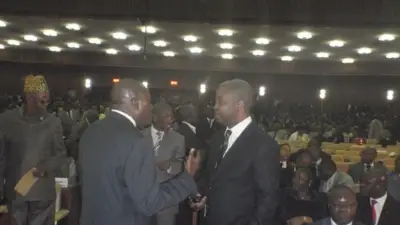
Police fired tear gas in Kinshasa on 15 September, the day the parliamentary session opened, as the opposition C64 coalition marched on the National Assembly against a constitutional revision that could let Félix Tshisekedi run again; at least 10 people were arrested, and marches were also broken up in Lubumbashi and Uvira (Al Jazeera, 15 September). The Constitutional Court validated the referendum law on 30 July, and on 13 September Tshisekedi signed an ordinance creating a national-dialogue committee placed under his direct authority (Radio Okapi, 13 September); his second term ends in 2028.
3 sources
Tear gas in Kinshasa — Tshisekedi's third term runs through a locked clause
Police fired tear gas in Kinshasa on 15 September, the day the parliamentary session opened, as the opposition C64 coalition marched on the National Assembly against a constitutional revision that could let Félix Tshisekedi run again; at least 10 people were arrested, and marches were also broken up in Lubumbashi and Uvira (Al Jazeera, 15 September). The Constitutional Court validated the referendum law on 30 July, and on 13 September Tshisekedi signed an ordinance creating a national-dialogue committee placed under his direct authority (Radio Okapi, 13 September); his second term ends in 2028.
3 sources