 KemetLeads
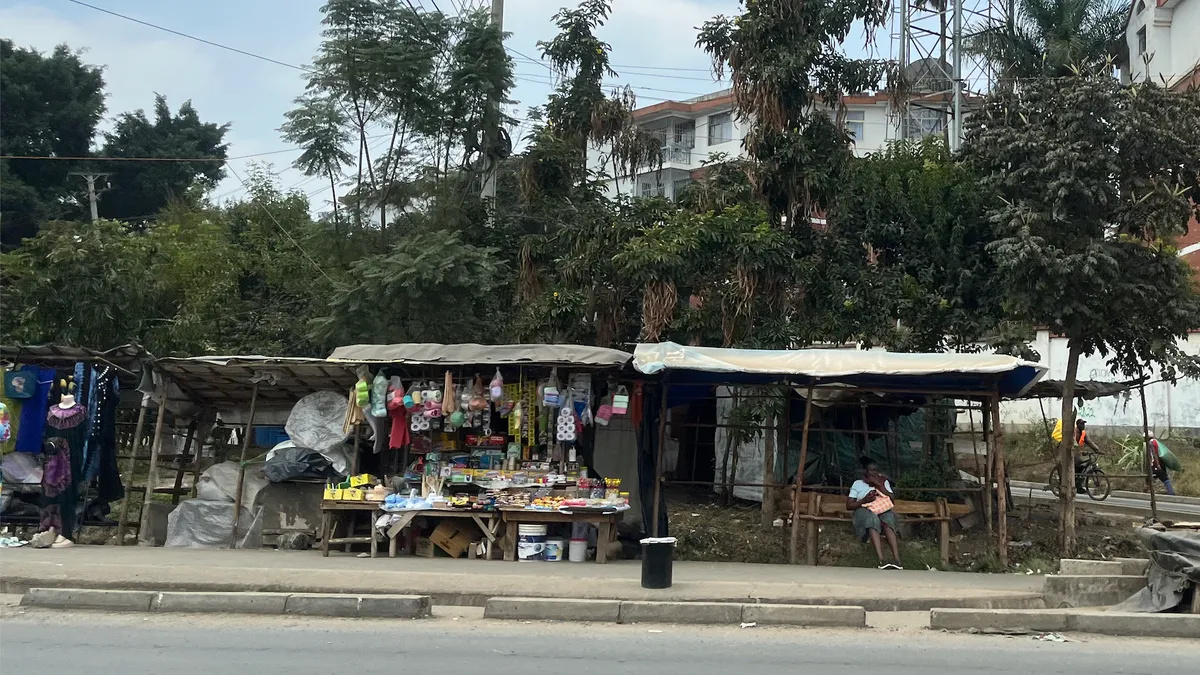
Ruto orders foreign hawkers out — and puts East Africa's common market on trial
Ruto orders foreign hawkers out — and puts East Africa's common market on trial
On 2 September William Ruto told traders at State House that foreign-run hawking and small shops should close within the week; by the 7 September deadline hundreds of Burundians were queuing at their embassy in Nairobi for papers to go home. On 8 September State House turned the order into a 90-day regularisation window and a wider Local Content Bill reserving categories of small trade for Kenyans — while the African Commission on Human and Peoples' Rights reported Burundian-run stalls attacked and looted in the interval.
We said in August that goods were getting a digital fast lane while people still waited at the counter; Nairobi has now shown what happens when a president closes the counter in one sentence. Kenya has every right to police permits, and its informal economy — some 18 million people — has real grievances about who competes at the bottom. But a rule announced by nationality and enforced by neighbours before any officer arrived is not regulation, it is a signal, and the 90-day window that corrected it came six days after the looting. The EAC Common Market Protocol, in force since 2010, is worth exactly what Nairobi does in a hard week — and Kampala and Kigali are watching the precedent. The real test is whether the expanded Local Content Bill ends up reserving trades by permit or by passport.
The close of the 90-day regularisation window in early December, and whether the Local Content Bill reaches Parliament with trades reserved by permit or by nationality.
SourcesACHPR press release, 11 Sep · State House statement via Citizen Digital, 8 Sep · The Standard, 7 Sep
More from the Brief
 Lumumba said history would speak — in Congo this week, two men grabbed the pen
On 13 October Joseph Kabila — president from 2001 to 2019, sentenced to death in absentia for treason by a military court in 2025 — launched the Front for the Refoundation of the Nation (FRN) at a news conference in rebel-held Goma, taking the head of a coalition that includes the Rwanda-backed M23, with the AFC's Corneille Nangaa among his deputies (Al Jazeera, 13 October). Two days later Interior Minister Jacquemain Shabani banned the activities of 13 political parties across the country, including Kabila's PPRD and Augustin Matata Ponyo's LGD, in a notice that states no legal ground, duration or dissolution (Actualité.cd, 15 October).
3 sources
 Mozambique's Rome peace turns 34 — it held by turning an army into a party
On 4 October 1992 in Rome, President Joaquim Chissano and Renamo's leader Afonso Dhlakama signed the General Peace Agreement that ended 14 years of civil war; a UN mission of some 6,500 troops and observers then oversaw the demobilisation of more than 76,000 soldiers and Mozambique's first multiparty elections, held from 27 to 29 October 1994, in which Renamo won 37.8% of the legislative vote and Dhlakama 33.7% of the presidential one (United Nations, ONUMOZ). Renamo returned to arms in October 2013 after a government raid on its camp, and a new accord was signed in Maputo on 6 August 2019 by President Filipe Nyusi and Renamo's leader Ossufo Momade (Mail & Guardian, 8 August 2019).
3 sources
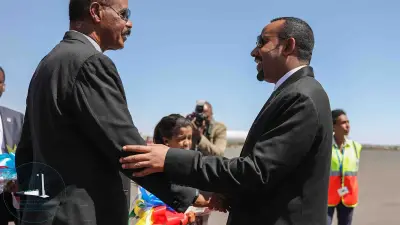 Ethiopia and Eritrea cut ties — the Nobel peace was signed by two men, not two states
Ethiopia's foreign ministry declared ten Eritrean diplomats in Addis Ababa persona non grata on 1 October, gave them 48 hours to leave and announced the closure of its embassy in Asmara, citing “direct and indirect acts of hostility and belligerence” (Addis Insight, 1 October); the same day Eritrea's foreign ministry severed “all diplomatic ties”, saying Ethiopia had pursued for three years “a publicly pronounced declaration of war” over sovereign access to the sea (Ministry of Foreign Affairs, Asmara, 1 October). The two governments had restored relations in declarations Abiy Ahmed and Isaias Afwerki signed in Asmara and Jeddah in July and September 2018, which the Norwegian Nobel Committee cited when it awarded Abiy the 2019 Peace Prize (Nobel Committee, 11 October 2019).
5 sources