 KemetLeads
Thread: Ballot year 2026
2 entries, oldest last. We keep this story updated as it moves.
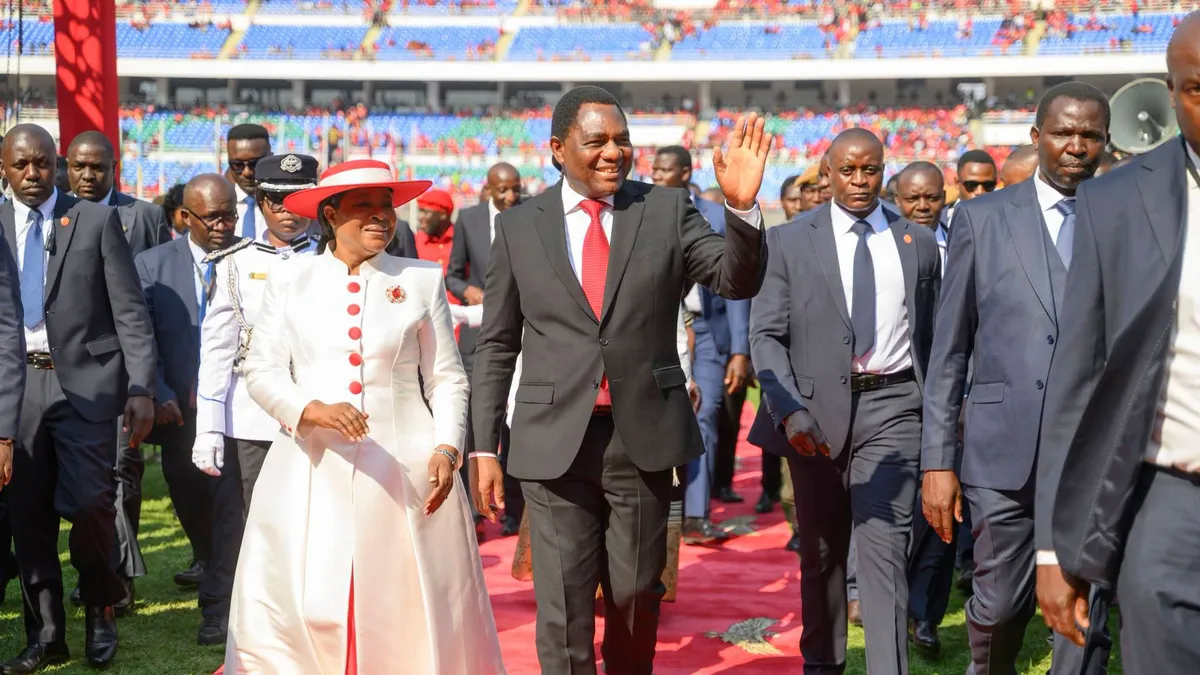
Zambia re-elects Hichilema — then tests its own democratic reflexes
Zambia keeps doing the rarest thing in politics: settling power at the ballot box, repeatedly. The man who lost five elections before winning knows what defeat feels like — the best insurance a democracy can have. But courts that are hard to reach on deadline day chip away at exactly the trust that makes losers concede. Term two's real test: the debt exit, copper, and keeping the referee neutral.
President Hakainde Hichilema won a second term with about 60% of the vote against Brian Mundubile's 38%. But the Constitutional and Supreme Courts closed on 24 August — the last day to file a challenge — citing security, narrowing the opposition's legal options.
What to watch: The IMF programme review in the fourth quarter, and whether the court closure is ever investigated.
Sources: Al Jazeera, 2 Sep · Bloomberg, 25 Aug · Judiciary statement via Mwebantu
2026's ballot year is a referendum on how leaders leave
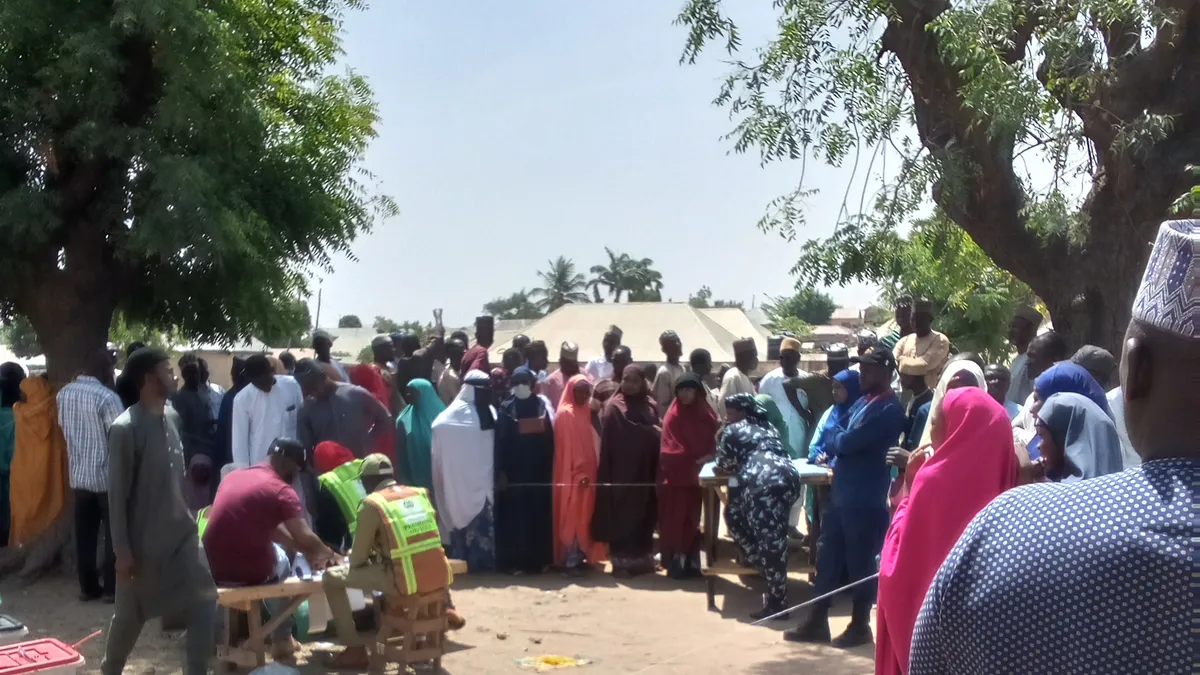
Our Scorecard's fifth criterion — constitutional conduct and exit — is the story of this election year. History's verdict is written less by how leaders govern than by how they go. Mandela set the standard in a single term; leaders deep into their fourth decade are writing a different chapter. Watch the successions nobody is planning.
From Museveni's seventh term — won in January with 72% after term and age limits were removed — to December's legislative vote in Cameroon, this year's crowded election calendar is testing the continent's longest-serving incumbencies, several with no succession in sight.
What to watch: Cameroon's 20 December legislative vote, and any succession signal from Kampala, Yaoundé or Brazzaville.
Sources: Africa Center, 2026 elections · allAfrica, Museveni declared · Anadolu factbox