 KemetLeads
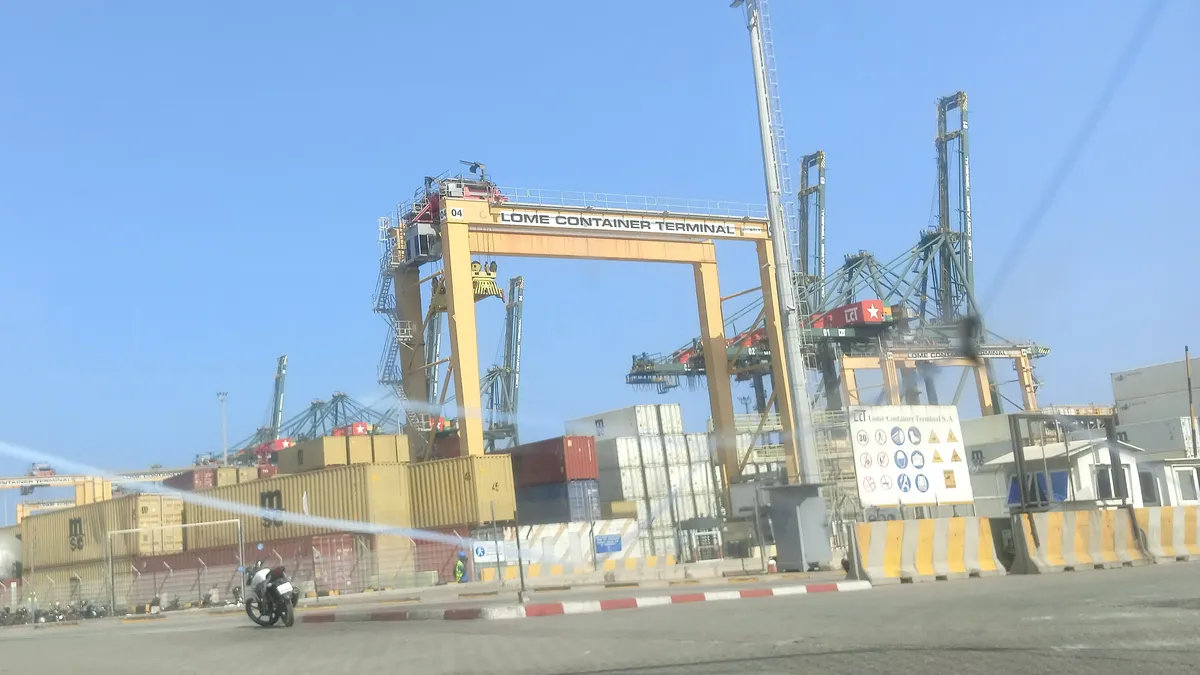
AfCFTA bets $3.1 billion on making borders digital
AfCFTA bets $3.1 billion on making borders digital
Goods are getting a digital fast lane; people are still waiting at the counter. Fourteen million jobs by 2035 is the promise, and it hinges on the unglamorous stuff — customs code, payment rails, and letting a Ghanaian engineer take a job in Kigali without a saga. Nkrumah's dream is now a procurement contract. Watch who owns the rails.
The AfCFTA Secretariat signed a 20-year, $3.1 billion concession with Bergmans to digitise customs across participating states, financed by the concessionaire — even as the African Union's free-movement protocol sits at just four ratifications.
A vigilar: Which state parties sign implementation agreements first, and who owns the customs data at the end of the concession.
Fuentes: AfCFTA Secretariat · Business & Financial Times
Más de El Informe
Tear gas in Kinshasa — Tshisekedi's third term runs through a locked clause
Article 70 of the 2006 constitution gives a president two five-year terms, and Article 220 puts the number and length of that mandate among the clauses no revision may touch — which is why the route on the table is a referendum on a new text rather than an amendment to this one, and why this is bigger than one man's third term. We wrote in July that 2026's ballot year is a referendum on how leaders leave; our Power block puts odds on it: of the 54 leaders we grade, 21 governed with a term limit in force, 11 moved or removed it, and only Olusegun Obasanjo was stopped outright — by his own Senate, in 2006. Our Scorecard read on Tshisekedi was written before this week and still fits: legitimacy and constitutional conduct are the two half-marks on a card of 2.5 out of 5. He has something to argue with — rule of law and control of corruption have climbed to the 68th percentile of African countries since 2019, above the continental median — but his democratic trajectory sits at P38 and rights and participation at P34, and the question we put to the minerals-for-security accords in August, who benefits, is harder to answer for a presidency negotiating its own extension. The real test is not a dialogue convened by ordinance two days before the police moved: it is whether a referendum ever gets a date, and whether the Court that unlocked the law is ever asked to rule on Article 220 itself.
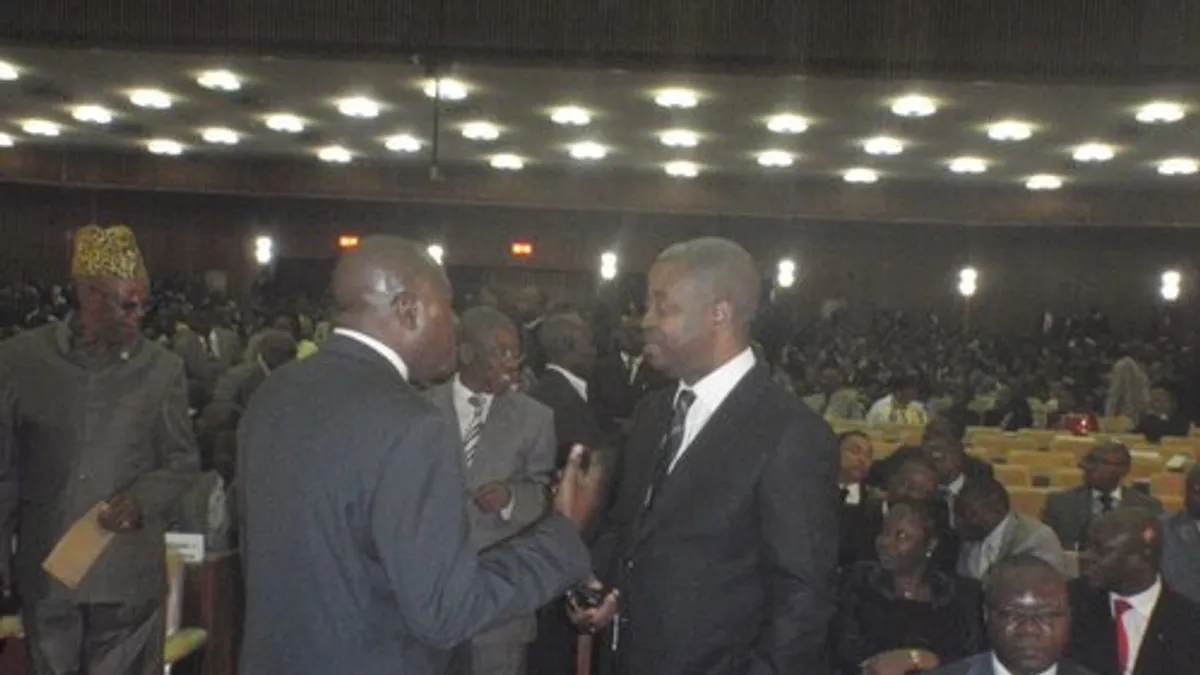
Police fired tear gas in Kinshasa on 15 September, the day the parliamentary session opened, as the opposition C64 coalition marched on the National Assembly against a constitutional revision that could let Félix Tshisekedi run again; at least 10 people were arrested, and marches were also broken up in Lubumbashi and Uvira (Al Jazeera, 15 September). The Constitutional Court validated the referendum law on 30 July, and on 13 September Tshisekedi signed an ordinance creating a national-dialogue committee placed under his direct authority (Radio Okapi, 13 September); his second term ends in 2028.
A vigilar: Whether a referendum date is set before the parliamentary session that opened on 15 September closes in mid-December, and whether the Constitutional Court is asked to rule on Article 220 itself.
Fuentes: Constitution of the DRC, Articles 70 and 220 (Constitute Project) · Radio Okapi on the national-dialogue ordinance, 13 Sep · Al Jazeera, 15 Sep
Nigeria's parliament boycotts South Africa — four weeks into Pretoria's SADC chair
We said on 8 September that Kenya's hawker order put East Africa's common market on trial; South Africa's version has run since June, and a peer parliament has now sent the bill. Ramaphosa set the right rule himself on 7 June — enforcing immigration law “rests with the state and the state alone” — and our Scorecard rates his conduct 4.2 out of 5, but by Abuja's count the attacks kept coming while the state's visible answer was deportation. The grievance the vigilantes exploit is jobs, and our data locates that stall at home: since 2018 South Africa's development delivery sits at the 10th percentile of African countries, with GDP per head down 4% to 2022 while the median African country's rose 1%. Nigeria's move is calibrated too — the legislature pulled the lever, not Tinubu's executive, and the directive binds only parliament. The real test for the SADC chair who pledged in August to lift regional trade to 50% is whether voters hear about a prosecuted ringleader, not a scapegoat, before the 4 November municipal elections.
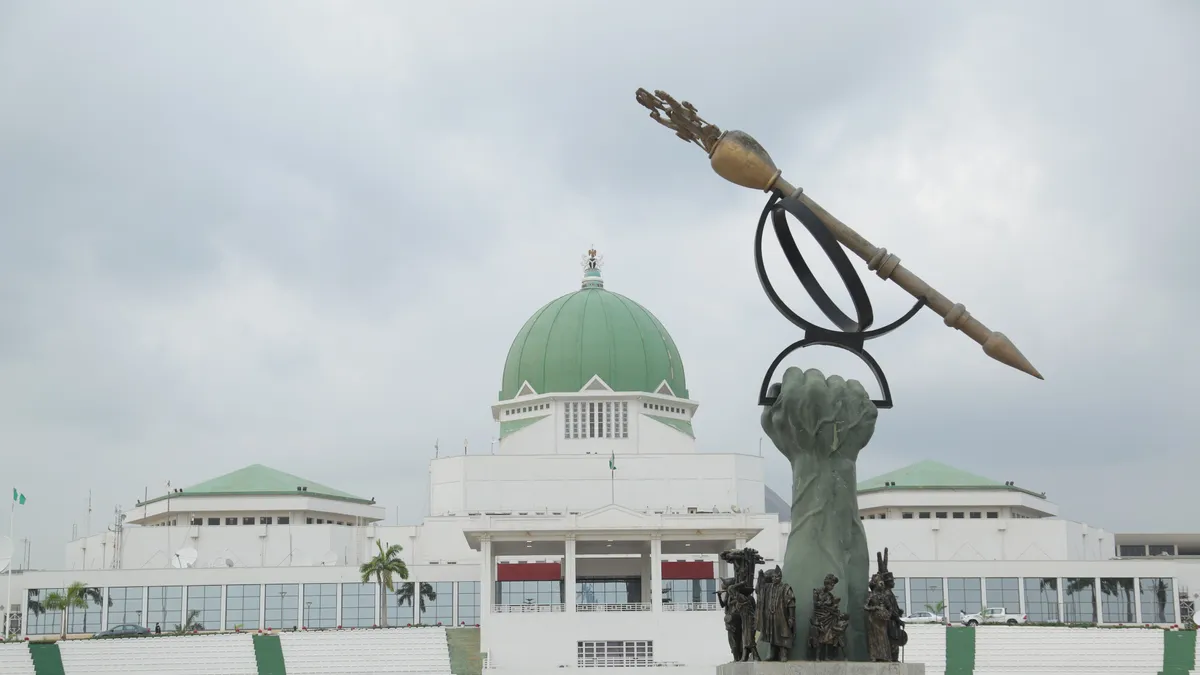
On 11 September Nigeria's National Assembly suspended all official visits to South Africa and ordered lawmakers and staff to boycott South African-hosted legislative events, in person or online, until further notice, citing Nigerians “killed, injured, displaced”; Nigeria's foreign ministry counts at least 98 Nigerians killed there since 2022. South African government figures put the people deported or voluntarily repatriated since the tensions began at almost 90,000, while migrants' home governments put the number at about 178,000 (Al Jazeera, 11 September).
A vigilar: South Africa's 4 November municipal elections, and whether Nigeria's National Assembly reviews its boycott — or Tinubu's government joins it — before then.
Fuentes: National Assembly statement via NALTF, 11 Sep · The Presidency, Ramaphosa address on migration, 7 Jun · Al Jazeera, 11 Sep
Ruto orders foreign hawkers out — and puts East Africa's common market on trial
We said in August that goods were getting a digital fast lane while people still waited at the counter; Nairobi has now shown what happens when a president closes the counter in one sentence. Kenya has every right to police permits, and its informal economy — some 18 million people — has real grievances about who competes at the bottom. But a rule announced by nationality and enforced by neighbours before any officer arrived is not regulation, it is a signal, and the 90-day window that corrected it came six days after the looting. The EAC Common Market Protocol, in force since 2010, is worth exactly what Nairobi does in a hard week — and Kampala and Kigali are watching the precedent. The real test is whether the expanded Local Content Bill ends up reserving trades by permit or by passport.
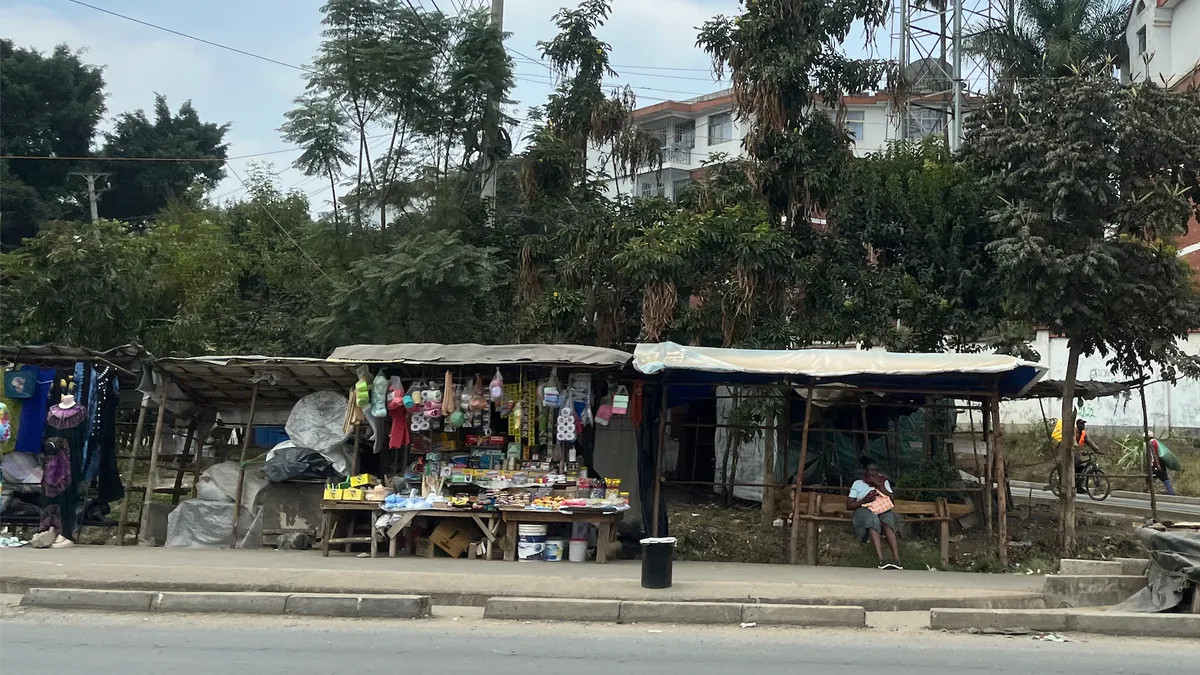
On 2 September William Ruto told traders at State House that foreign-run hawking and small shops should close within the week; by the 7 September deadline hundreds of Burundians were queuing at their embassy in Nairobi for papers to go home. On 8 September State House turned the order into a 90-day regularisation window and a wider Local Content Bill reserving categories of small trade for Kenyans — while the African Commission on Human and Peoples' Rights reported Burundian-run stalls attacked and looted in the interval.
A vigilar: The close of the 90-day regularisation window in early December, and whether the Local Content Bill reaches Parliament with trades reserved by permit or by nationality.
Fuentes: ACHPR press release, 11 Sep · State House statement via Citizen Digital, 8 Sep · The Standard, 7 Sep